Building Trust, One Paw at a Time: Using an Extracurricular Club to Introduce Therapy Dogs in Schools

Many educators and school leaders recognize the benefits of therapy dogs in academic settings but hesitate to implement a full-scale program due to knowledge gaps, logistical challenges, financial constraints, or policy concerns. A Therapy Dog Club offers a structured, low-risk way to introduce animal-assisted therapies, easing leadership apprehensions. In fact, I strongly recommend beginning the therapy dog implementation process in this way to build trust in the program’s effectiveness while addressing concerns in a controlled environment.

So let’s dive in together as I define the concept of a Therapy Dog Club, outline its benefits, and provide a brief guide to getting started.

What is a Therapy Dog Club?

As I define it, a Therapy Dog Club is a student-led, faculty-advised group that brings trained therapy dogs into a school environment on a scheduled basis. The club provides a structured, low-risk way for students and staff to interact with therapy dogs, typically for emotional support, stress relief, and social engagement. It allows students to experience the benefits of animal-assisted interventions without the immediate need for implementing a full-time therapy dog program.

Participation is voluntary, making it an accessible option for a wide range of students. In my view, a Therapy Dog Club operates on a smaller, flexible scale, bringing therapy dogs into the school on specific days rather than having a resident dog on campus daily. Additionally, a Therapy Dog Club may meet after school or during designated extracurricular periods, which can be particularly appealing to school and district leaders.

Benefits of a Therapy Dog Club

Eases Administrative Concerns

Even with strong research supporting the benefits of therapy dogs, one of the biggest barriers to implementation is navigating perceptions, assumptions, and stereotypes. A club helps schools challenge misconceptions and test the waters before committing to a full-time therapy dog program. It also offers:

• Student Autonomy – Participation is voluntary, so students who are uncomfortable around dogs or have allergies can simply opt out. This eliminates concerns about mandatory exposure in classrooms or common areas.

• Waivers for Participants – Schools can require students (and guardians, if necessary) to sign waivers acknowledging participation and understanding any risks. This adds a layer of protection for the school and provides transparency for families.

• Gradual Implementation – Schools can observe how students and staff interact with therapy dogs before considering a larger-scale program. This allows time to refine policies, address concerns, and build community support.

Provides Emotional and Social Benefits for Students

A Therapy Dog Club offers many of the same emotional and mental health benefits as a full program. Interacting with therapy dogs has been shown to reduce stress, improve mood, and boost social interactions—all of which can be particularly helpful for students struggling with anxiety, academic pressure, or social isolation (Maricevic, 2022).

Fosters Student Leadership and Engagement

A Therapy Dog Club empowers students to take on leadership roles by organizing events, coordinating with therapy dog teams, and advocating for expanding the club into a full program. Giving students ownership fosters responsibility, teamwork, and community engagement.

Strengthens Community Partnerships

Starting a club opens the door to collaborations with local therapy dog organizations, shelters, or animal-assisted therapy programs. Schools can invite certified therapy dogs for visits, partner with community groups for educational sessions, or create service-learning opportunities where students volunteer with therapy animals.

Gathers Data to Support a Future Program

If a school is hesitant about implementing a therapy dog program, a club can serve as a pilot initiative to collect data on the impact of animal-assisted therapies. Surveys, testimonials, and anecdotal evidence from students, teachers, parents, and other key stakeholders can provide compelling reasons to expand the club into a permanent program.

How to Start a Therapy Dog Club

Identify a Faculty Advisor – A teacher, counselor, or staff member passionate about student well-being and animal therapy can oversee the club.

Partner with Local Therapy Dog Organizations – Certified therapy dog teams can schedule regular visits to meet with students.

Plan Activities – Meetings can include guest speakers, stress-relief sessions, volunteer opportunities, and advocacy efforts for therapy dog programs.

Involve Students – Let students lead initiatives, create outreach materials, and develop events.

Implement Waivers – Have students (and their guardians, if needed) sign participation waivers to ensure transparency and address liability concerns.

Final Thoughts

A Therapy Dog Club is a low-risk, high-reward way for schools to explore the benefits of therapy dogs before committing to a full program. It fosters a positive school culture, supports student mental health, and builds a foundation for a larger initiative in the future.

If your school is on the fence about a therapy dog program, starting with an extracurricular offering might be the perfect first step. By starting small and scaling thoughtfully, schools can introduce therapy dogs in a way that minimizes risks, maximizes benefits, and paves the way for a sustainable, well-integrated program.

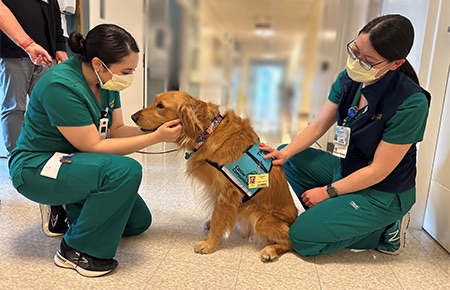
The Power of Empathy: How Therapy Dogs in High School Can Fill an Empathy Void

Photo by Ivan Babydov on Pexels.com

Empathy is a cornerstone of human connection, fostering relationships and emotional well-being. In an insightful CNN article, Dr. Katie Hurley highlights the contagious nature of empathy and the crucial role parents play in modeling it for their teens. However, what happens when a teen lacks an empathic parent or guardian? How can these adolescents learn to cultivate empathy? One promising solution lies in the unique power of the canine companion.

The Empathy Deficit

Dr. Hurley’s article underscores the importance of parental warmth and emotional support in developing a teen’s empathy. The study Dr. Hurley references demonstrates a clear generational transmission of empathic behaviors from parents to children and beyond. But for teens who do not have access to such nurturing environments, this pathway to empathy can be obstructed, leading to potential emotional and social difficulties.

Benefits of Therapy Dogs

Enter therapy dogs. These specially trained animals offer unconditional love, companionship, and emotional support, which can be incredibly beneficial for teens struggling with empathy development. Therapy dogs have been shown to help individuals, particularly those with emotional and social challenges, to open up and engage in empathic behaviors.

Emotional Support: Therapy dogs provide a non-judgmental and consistent source of emotional support. Their presence can help teens feel understood and valued, which is essential for building self-esteem and emotional resilience (Maricevic, 2022).

Stress Reduction: Interacting with therapy dogs has been proven to reduce stress levels, which can create a more conducive environment for learning and practicing empathy. Lower stress levels allow teens to focus more on others’ feelings and less on their own anxieties (Maricevic, 2022).

Social Skills Improvement: Therapy dogs encourage social interactions. Teens may feel more comfortable practicing empathy and social skills with a dog first, which can then translate to better interactions with peers (Maricevic, 2022).

Modeling Empathy: By caring for and understanding the needs of a therapy dog, teens can learn to recognize and respond to emotions, a skill that is directly transferable to human relationships (Maricevic, 2022).

Real-Life Applications: Therapy Dogs in High School Settings

Several schools and therapy programs have successfully integrated therapy dogs to help students develop empathy and other social skills (Maricevic, 2022). For instance, programs like “Reading to Dogs” in libraries and schools encourage children and teens to read aloud to therapy dogs, improving their reading skills and building a sense of empathy and connection.

While the absence of an empathic parent can pose significant challenges for a teen’s emotional development, therapy dogs offer a viable and effective alternative to cultivate empathy. By providing emotional support, reducing stress, improving social skills, and modeling empathic behaviors, therapy dogs can fill a crucial gap, ensuring that all teens have the opportunity to develop this essential human trait (Maricevic, 2022).

Which is why the integration of therapy dogs in high school settings is an innovative approach that has proven to be highly beneficial in fostering empathy, reducing stress, and enhancing social skills among students (Maricevic, 2022). Here are some specific ways therapy dogs can make a significant impact in high schools:

Stress Relief and Mental Health Support

High school can be an incredibly stressful time for students due to academic pressures, social dynamics, and the challenges of adolescence (Maricevic, 2022). Therapy dogs can provide a calming presence, helping students manage stress and anxiety. Schools that have implemented therapy dog programs often report noticeable improvements in the overall mental health of their students (Maricevic, 2022).

Counseling Sessions: Therapy dogs can be incorporated into school counseling sessions. Their presence helps create a more relaxed environment, making it easier for students to open up and discuss their feelings and issues (Maricevic, 2022). This can be particularly beneficial for students who are reluctant to seek help from a counselor.

Stress-Relief Zones: Some high schools have established designated areas where students can interact with therapy dogs during breaks or free periods (Maricevic, 2022). These stress-relief zones provide a much-needed respite from the pressures of school life and offer a safe space for students to unwind and recharge.

Crisis Intervention: In the aftermath of traumatic events, therapy dogs can be brought in to provide comfort and emotional support to students. Their calming presence can help students feel safer and more secure, aiding in the healing process (Maricevic, 2022).

Enhancing Empathy and Social Skills

Therapy dogs can play a crucial role in teaching students empathy and improving their social skills. Interacting with dogs requires understanding their needs and emotions, which can translate into better interpersonal skills among students (Maricevic, 2022).

Empathy Workshops: Schools can organize workshops where students learn about empathy and emotional intelligence through interactions with therapy dogs. These workshops can include activities such as caring for the dogs, understanding their body language, and practicing gentle and respectful handling. These experiences can help students develop a deeper understanding of empathy, which they can then apply in their interactions with peers (Maricevic, 2022).

Social Skills Groups: Therapy dogs can be used in social skills groups to help students practice and enhance their social interactions. For example, students with social anxiety or autism spectrum disorders can benefit greatly from the presence of a therapy dog, which can act as a social bridge, making it easier for them to engage with others (Maricevic, 2022)

Peer Mediation Programs: Therapy dogs can be integrated into peer mediation programs, where students help resolve conflicts among their peers. The presence of a therapy dog can create a more relaxed atmosphere, making it easier for students to communicate openly and resolve their issues amicably (Maricevic, 2022).

Academic Benefits

The presence of therapy dogs in high schools can also have positive effects on academic performance (Maricevic, 2022). By reducing stress and creating a more supportive and relaxed environment, students may find it easier to focus and perform better academically (Maricevic, 2022).

Reading Programs: Similar to programs in elementary schools, high schools can implement reading programs where students read aloud to therapy dogs. This can be particularly beneficial for students who struggle with reading or have low confidence in their reading abilities. The non-judgmental presence of a dog can help them practice without fear of criticism, improving their skills and confidence over time (Maricevic, 2022).

Attendance and Engagement: Schools that have therapy dog programs often see improvements in student attendance and engagement. The presence of therapy dogs can make school a more welcoming and enjoyable place, encouraging students to attend regularly and participate more actively in their classes (Maricevic, 2022).

Exam Stress Reduction: During exam periods, therapy dogs can be brought in to help students cope with the heightened stress and anxiety. Short interactions with therapy dogs before exams can help calm students and improve their focus and performance (Maricevic, 2022).

Building a Supportive School Community

Therapy dogs can help create a more supportive and inclusive school community by bringing students, teachers, and staff together (Maricevic, 2022).

Community Events: Schools can host events and activities centered around therapy dogs, such as “dog days” where therapy dogs visit the school, or fundraising events for local animal shelters. These events can foster a sense of community and shared purpose among students and staff (Maricevic, 2022).

Teacher and Staff Support: Therapy dogs can also provide support for teachers and staff, who often face high levels of stress. A happier and more relaxed staff can contribute to a more positive school environment, benefiting everyone in the school community (Maricevic, 2022).

Positive School Culture: The presence of therapy dogs can contribute to a more positive school culture by promoting kindness, compassion, and empathy. Students may be more inclined to engage in positive behaviors and support their peers, creating a more inclusive and welcoming environment (Maricevic, 2022).

As schools continue to explore innovative ways to support their students, therapy dog programs stand out as a promising and impactful solution. The presence of therapy dogs in schools not only provides immediate emotional and psychological benefits but also helps in building lifelong skills of empathy and compassion in students. By addressing the emotional needs of teens, especially those lacking empathic parental or guardian support, therapy dogs can help create a generation of more understanding, resilient, and emotionally intelligent individuals.

The Key to UC Davis Health’s CARE Project: The Canine Companion

The Impact of Therapy Dogs in the Healthcare Setting

“The newest canine CARE team dog, Landon, is popular not only with patients, but with employees, who enjoy seeing him on the job” (Houser, 2024).

I recently read a social media post by Canine Companions in which the organization highlighted therapy dog Landon and his involvement in the UC Davis Health’s CARE (Creativity, Amenities, Relaxation, Exploration) Project. UC Davis Health takes great pride in the CARE Project, with a focus on treating the whole patient: mind, body, and spirit, its mission goes beyond conventional medical approaches, and recognizes the therapeutic power of what may at first seem to be unconventional—the human-animal bond.

In a healthcare environment, where stress and anxiety can be overwhelming, the introduction of therapy dogs like Landon serves as a beacon of hope and motivation. The partnership between UC Davis Health, Landon and his volunteer handler, Pat Tull, exemplifies the profound impact animals can have on the well-being of individuals facing health challenges. You see, Landon’s supportive role to patients and staff alike, not only highlights the significance of certified therapy dogs but also emphasizes the compassion and comfort they bring to those undergoing hospitalization, and those delivering the medical care.

The CARE Project and UC Davis Health’s commitment to the human-animal bond contributes to patients’ emotional well-being and encourages their active engagement in treatment, which fosters a holistic approach to healthcare. Katie Lorain, the creative arts and recreation therapy manager of the CARE Project, observes patients moved to tears upon encountering a therapy dog, which underscores the transformative nature of these interactions. Lorain’s observations of the patient-therapy dog relationship in the health care setting serves as a testament to the unique and invaluable role that animals can play in enhancing the human experience, especially in challenging circumstances.

The emotional response of patients, often moved to tears at the mere sight of these canine companions, speaks volumes about the profound connection forged in these moments. Let the story of therapy dog Landon and UC Davis Health’s CARE Project remind readers of the healing power embedded in the simplicity of a wagging tail and a comforting presence. Let Landon, and his fellow pawesome therapy dogs, reinforce the idea that, sometimes, love at first sight can come in the form of a furry friend bringing solace and security during moments of vulnerability.

To learn more about Landon and UC Davis Health’s CARE Project, please read Nick Houser’s January 2024 piece, Introducing UC Davis Health’s newest four-legged team member, Landon.

The Canine Advantage: Enhancing Mental Wellness in Professional Sports

Dr. Jessica Maricevic’s 5 Key Advantages of Including Therapy Dogs to Your Professional Sports Organization

In the high-stakes world of professional sports, the physical prowess of athletes often takes center stage, leaving their mental well-being in the shadows. As teams strive for excellence, it’s crucial to recognize the holistic needs of their players.

One innovative approach worth exploring is the inclusion of therapy dogs to support the mental wellness of athletes and foster a healthier organizational environment. Below is an overview of my research-based advantages of including therapy dogs to your professional sports organization (Maricevic, 2022):

1. Stress Reduction and Anxiety Management:
Professional athletes face immense pressure, both on and off the field. Introducing therapy dogs to the team dynamic can provide a natural and effective means of stress reduction. Numerous studies have shown that interacting with dogs can lower cortisol levels and release oxytocin, promoting a sense of calm and reducing anxiety. In high-stakes situations, a therapy dog could be a game-changer in helping athletes manage stress.

2. Team Cohesion and Communication:
A therapy dog can serve as a unifying force within the team, fostering camaraderie and open communication. The presence of a non-judgmental companion can break down barriers, encouraging athletes to connect with each other on a more personal level. Improved team dynamics can translate into better on-field collaboration and synergy.

3. Mental Resilience and Performance Optimization:
Success in professional sports often hinges on mental resilience. Therapy dogs can aid in developing this resilience by providing unconditional support during challenging times. Athletes may find comfort and motivation in the consistent presence of a loyal companion, enhancing their mental fortitude and ultimately contributing to better performance outcomes.

4. Enhancing the Team Environment:
A therapy dog isn’t just beneficial for individual athletes; it can positively impact the entire team environment. A relaxed and supportive atmosphere can contribute to increased job satisfaction, lower burnout rates, and a more positive organizational culture. Teams that prioritize mental wellness are likely to attract top-tier talent and retain experienced athletes.

5. Community Engagement and Brand Image:
Beyond the team’s internal dynamics, incorporating a therapy dog can bolster community engagement and enhance the organization’s public image. Athletes participating in community events alongside therapy dogs can create a positive and relatable image, fostering a deeper connection between the team and its fan base.

While there is no guarantee that the inclusion of a therapy dog will bring the championship at the end of the season, the mere presence of the therapy dog in your professional sports organization represents a progressive step toward prioritizing the mental wellness of athletes and creating a healthier team environment. By recognizing the symbiotic relationship between mental and physical well-being, teams can position themselves at the forefront of athlete care, ultimately contributing to sustained success on and off the field.

The Human Resource

My recent post is associated with a school building leadership assignment. Below is the prompt and my response.

Prompt: During your internship, has anything occurred that was unanticipated or surprising? Is there anything you encountered that was unexpected? If so, what was your major takeaway? If nothing was unexpected or surprising, why do you think that is the case? After the class session, post a reply to this inquiry on the discussion board and respond to at least one other classmates post.

This is the second semester of my school building leader internship.  Interestingly enough, I find myself much more astute at identifying areas of need, at both the building and district level. Additionally, I find myself considering those within the organization, other than individuals appointed to leadership positions, equipped to address those identified areas of need.

I’m aware that there are resources, human resources, readily available to assist those in the designated leadership position, human resources who may in fact be more equipped to address the identified area need than the person in the designated leadership position to typically address those needs. But for leadership to truly benefit from the human capital within the organization, it requires a transformative mindset, or at least a mindset working towards a full transformative overhaul and cognizant of the need to be open minded, as well as a fortified ego, ready to withstand some of the most daunting moments of self-doubt.

I often find myself thinking, if I were in a current leadership position, how I would incorporate these outstanding educators, to honor their strengths and their desire to be a part of the larger systematic plan of improvement? If students want to be seen, heard, and valued by their teachers, wouldn’t teachers want to be seen, heard, and valued by their leadership team? At the end of the day, people are people.

I always tell my colleagues how proud I am to work alongside them, wish for more time for collaboration, to learn from one another– my colleagues know they are seen, heard, and valued, but it’s me that’s doing the seeing, and hearing and valuing.  As one colleague said during a recent conversation, “You’re going to make a great principal one day….” I brush those comments to the side and change the subject, not because it doesn’t feel good to hear, but because of what their comment really says about how they feel, and how their words that followed directly reflected an area of need: school culture the teacher’s perspective on their value and worth, and the degree to which the teacher perspective was aligned with the leaderships’ perspective.

How does one address an identified area of need specific to the school culture from the perspective of the teacher, when it is assumed by some (not all) in leadership positions that there isn’t a problem at all? When does an identified area of need become an identified area of need?  Is it in the eye of the beholder, or the one in a leadership position? And if the role of the leader is integral to addressing the need, is the need only a need worthy of attention when it directly impacts the transactional leader? More questions than answers.

I’ll continue to lift my colleagues, and contemplate all the possibilities to address the embedded needs in questions like those above. In all honesty, I would be disappointed if the only thing to come out of this reflective response is further confirmation for how I want to lead as school building leader, but it just might be all that a response like this is destined to reaffirm.