
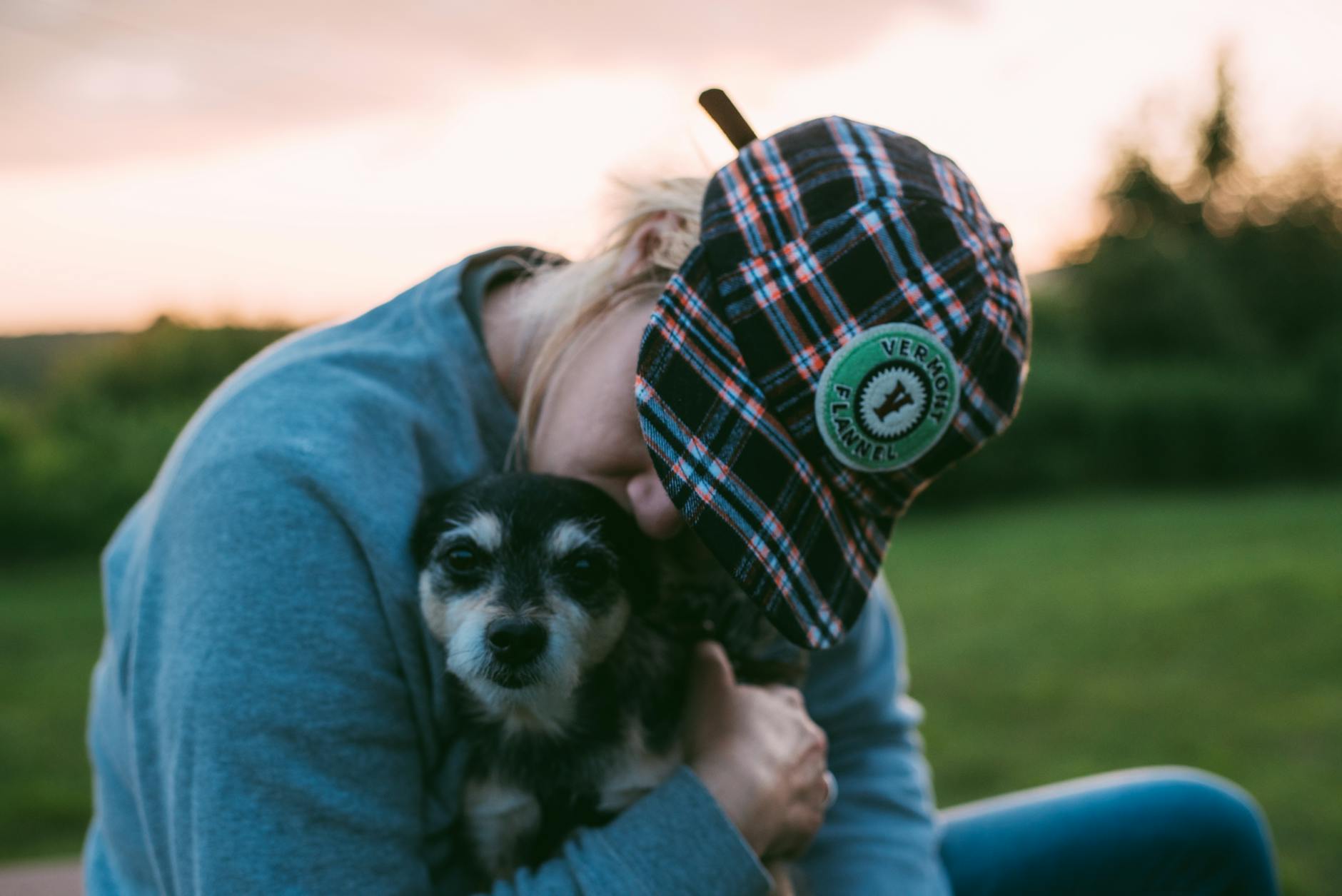
In a school setting, therapy animals can become cornerstones of the emotional support system for students and the learning community at large (Maricevic, 2022). Whether helping a student cope with anxiety, providing comfort during stressful academic periods, or serving as a calming presence in the classroom, therapy animals form deep therapeutic connections with the people around them in the school setting (Maricevic, 2022).
Sadly, earlier this week, a colleague shared news of the sudden passing of a therapy dog at her child’s middle school. My colleague shared how profoundly this loss impacted her child and the community, as many students relied on the therapy dog for comfort and emotional stability. While shared anecdotally, I learned parents expressed how devastated their children were, followed by their immediate desire to reach out to the school leadership to inquire about ways students would be supported–all highlighting the critical role the therapy dog played in the daily school life.
When a therapy animal becomes unavailable due to illness, retirement, or passing, students who rely on the animal for emotional stability can feel its absence deeply. Younger children, or neurodivergent learners, may struggle to understand why the animal is no longer present, while older students may experience anxiety, loss, or disengagement from the norms established with the help of therapy animals.
To maintain continuity and support for all stakeholders, schools need contingency plans for a therapy animal’s absence (Maricevic, 2022). Preparing students gradually for the possibility that therapy animals may not always be present is crucial, much like teaching resilience in other areas of life. Having other support systems—such as school counselors, peers, substitute therapy interventions, or on-call therapy dog teams—helps to heal the heartache. Schools can also consider honoring the animal upon retirement, or when the time comes to cross “The Rainbow Bridge,” helping students process their emotions.
The Human Factor
The loss of a therapy animal or handler should never be a reason to discontinue a program or cause a school to question its implementation. To say the bond between students and therapy animals are strong would be an understatement, so structured plans must address these inevitable life events. This could involve training a backup handler, having another therapy dog available, or providing grief support for students and the learning community (Maricevic, 2022).
In my research, participants frequently highlighted the need to plan not only for the therapy dog’s absence but also for the handler’s unexpected departure from their role (Maricevic, 2022). Participants emphasized the importance of protocols for the long-term sustainability of therapy dog programs and the consequences of not having a plan in place for this very scenario where either the dog or handler might be unavailable due to illness, injury, or unforeseen circumstances (Maricevic, 2022).
Of course, addressing the human side of the therapy dog team is important; handlers are often the bridge between the animal and the students, and their presence is crucial to the program’s success (Maricevic, 2022). Schools must be prepared to transition the handler’s role smoothly to maintain the relationships fostered through the therapy animal, while also understanding the possibility that, if a handler is no longer able to be part of the team, it may impact whether the therapy dog can continue in the learning community (Maricevic, 2022).
Such a scenario emerged in my research: after the sudden passing of a beloved teacher who was also the owner and handler of the school’s therapy dog, the family chose not to continue bringing the dog to school (Maricevic, 2022). It was a “big ask” on the part of the school to inquire if the family would be willing to still bring the dog to school to continue its positive impact, even after the loss of their matriarch (Maricevic, 2022). After careful consideration, the family couldn’t emotionally commit to such a responsibility, nor did they want to have someone else take responsibility for their dog’s daily care and well-being, (Maricevic, 2022). Understandable. Not to mention, such a shift might have been traumatic for the dog, who could’ve struggled to adapt to a new handler under such a stressful time, unless they were trained to interact with multiple people during the school day (Maricevic, 2022).
Planning ahead ensures that therapy dogs and handlers remain integral parts of the school community (Maricevic, 2022). By developing clear protocols, schools can ensure that these essential relationships continue to thrive, even through transitions or losses (Maricevic, 2022).
Honor the Impact, Carry On the Mission
No one likes to consider the possibility of a therapy animal abruptly leaving a school or a handler becoming unavailable, but it’s important to emphasize that, in such situations, the solution isn’t about “replacing” a cherished member of the therapy team, regardless of the reason for their departure. Therapy animal teams are irreplaceable and beloved parts of the school, and their contributions are deeply felt by students and staff alike. However, for the greater good of the learning community and the long-term sustainability of the program, planning for these realities is “a must.”
By shifting the policy focus from preparing for an untimely event to policy language centered around ensuring the next team carries on the therapy animal program in honor of their years of service, schools can ensure that transitions are respectful and positive. Such a perspective remains true to following in the therapy dog’s paw prints, continuing the meaningful work they began, and preserving their spirit in every comforting moment shared with students. Decide on an empathic approach to honor the legacy of the therapy team while allowing the program to continue providing the emotional support the learning community needs. By being proactive, schools can safeguard the stability and warmth of animal assisted therapy interventions, ensuring they remain a source of comfort, even through the most challenging transitions.
 Empathic Paws