To Love Like Judge

It’s taken me time to write this—maybe because putting it into words means admitting he’s really gone. But grief has a strange way of nudging us forward—through moments of kindness, memory, and unexpected connection.

You see, the other day I received a friendly question from a local gas station attendant. His question opened the door to this reflection, reminding me that Judge’s presence didn’t just change my life—it left a mark on others, too.


I stopped for gas, and the attendant—always kind and jovial—leaned ever so slightly in through the window with a warm smile.

“Where’s your big dog friend?” he asked, looking toward the back seat as if Judge might be curled up, ready to pop his head up—as was the norm.

I felt the weight of the words before I even spoke. But I said them. The attendant’s face shifted—genuine heartbreak in his expression. He wanted to know what happened to my friend, so I told him.

I thanked him for remembering Judge, for asking, for seeing us. He gave me a fist pump, “I’ll be thinking of you.”

The gas station attendant’s words and supportive fist-pump immediately brought me back to a warm summer evening walk a few seasons ago. An older gentleman on his evening stroll passed us and paused, his eyes soft with admiration. “Magnificent,” he said, nodding. “Simply magnificent.”

At the time, I thought he was talking about Judge, and he was, because Judge was magnificent—“magical,” to quote my son. But today, I wonder if the neighborly observation was referring to us—our bond, our rhythm, the strength in how we moved together, how we communicated.

There was something sacred in my connection with Judge, something that didn’t need to be explained—only admired for the authentic love it displayed. It was beautiful.

Intersectionality of Time and Space

The comment at the gas station isn’t so different from the one that summer day. Both came from strangers who saw something beautiful in our everyday. Both moments remind me that Judge’s legacy isn’t just the love he gave me—it’s the way he made people stop and feel something.

People gravitated toward him. Kids, neighbors, delivery drivers, the mailman who kept treats in his pocket just for Judge—they all felt it.

I’ve come to realize that people didn’t just see a beautiful dog when Judge was around—they felt something in his presence. There was a gentleness about him, a knowing. He carried himself with quiet confidence, never asking for attention but always drawing it.

It wasn’t just that he was loyal or smart or handsome or protective, though he was all of those things. It was the way he made people feel seen, safe, and loved—without needing words. He had that rare gift.

Love Like Judge

You know, whenever I posted a picture of Judge to Instagram, it was usually accompanied by the #mustlovejudge hashtag—a playful twist on the early 2000s rom-com Must Love Dogs. It became my unspoken rule, the standard for who I let into my life, into our life: “Must Love Judge.” If you didn’t get Judge or love him, you probably didn’t get me—or love me—either (not to mention our entire pack). Now, after losing him, I see that phrase a little differently.

It’s not enough to have loved Judge. The real challenge, the real calling, is to love like Judge—offering the same quiet comfort walking with people through joy and sorrow, listening without needing to speak, being loyal, steady, and present.

I once heard that grief is just love that has nowhere to go. I’m not sure I’ll ever be over the loss of Judge—and honestly, I don’t think I want to be. But my everlasting love for Judge does have somewhere to go.

The way forward is to carry what he taught me into every space I enter and meet the world with the same unwavering heart and the same quiet grace. This is Judgie’s Yoda-like life lesson I know he wants me to carry forward, reminding me to hold steadfast to my ability to love unconditionally, to always remember that I am deserving of that same unconditional love from the universe, and to encourage others to do the same.

So I choose love—the kind that asks for nothing but gives everything. The kind that lingers, even after goodbye.

I choose to love like Judge.


I want to take a moment to thank everyone who has been so incredibly supportive and kind throughout Judge’s battle—and through everything since. Your calls, texts, DMs, beautiful flowers, cards, handmade drawings, thoughtful gifts, hugs, and check-ins have lifted us all in ways I can’t fully put into words.

Every gesture, no matter how big or small, has been a testament to the love you had for Judge—and for us.

My wish for you is simple but sincere:

May everyone in this world be lucky enough to experience a love like Judge in their lifetime.

And may we all honor that gift by paying it forward—simply by loving like Judge.

Thank you for standing with my pack. Thank you for loving us through our heartbreaking loss.

We love you,

Jess, Jacob, Daisy, Bravo, & Bud

✌️🫶🐾

The Honorable Judge

September 10, 2017 – March 25, 2025

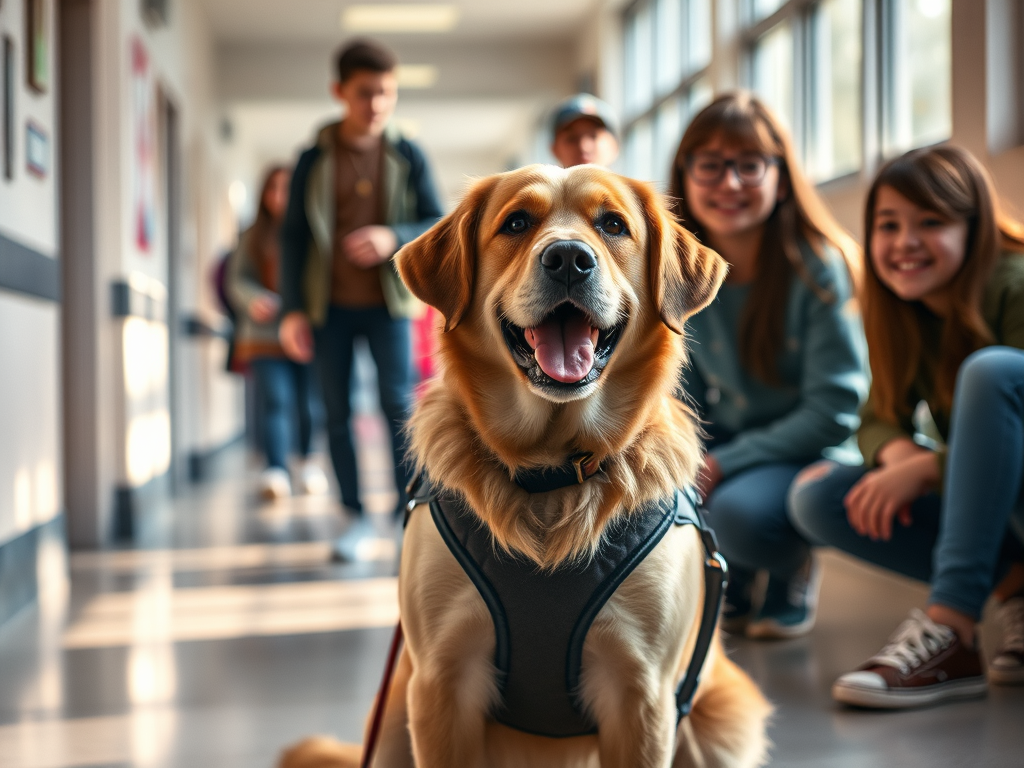
Building Trust, One Paw at a Time: Using an Extracurricular Club to Introduce Therapy Dogs in Schools

Many educators and school leaders recognize the benefits of therapy dogs in academic settings but hesitate to implement a full-scale program due to knowledge gaps, logistical challenges, financial constraints, or policy concerns. A Therapy Dog Club offers a structured, low-risk way to introduce animal-assisted therapies, easing leadership apprehensions. In fact, I strongly recommend beginning the therapy dog implementation process in this way to build trust in the program’s effectiveness while addressing concerns in a controlled environment.

So let’s dive in together as I define the concept of a Therapy Dog Club, outline its benefits, and provide a brief guide to getting started.

What is a Therapy Dog Club?

As I define it, a Therapy Dog Club is a student-led, faculty-advised group that brings trained therapy dogs into a school environment on a scheduled basis. The club provides a structured, low-risk way for students and staff to interact with therapy dogs, typically for emotional support, stress relief, and social engagement. It allows students to experience the benefits of animal-assisted interventions without the immediate need for implementing a full-time therapy dog program.

Participation is voluntary, making it an accessible option for a wide range of students. In my view, a Therapy Dog Club operates on a smaller, flexible scale, bringing therapy dogs into the school on specific days rather than having a resident dog on campus daily. Additionally, a Therapy Dog Club may meet after school or during designated extracurricular periods, which can be particularly appealing to school and district leaders.

Benefits of a Therapy Dog Club

Eases Administrative Concerns

Even with strong research supporting the benefits of therapy dogs, one of the biggest barriers to implementation is navigating perceptions, assumptions, and stereotypes. A club helps schools challenge misconceptions and test the waters before committing to a full-time therapy dog program. It also offers:

• Student Autonomy – Participation is voluntary, so students who are uncomfortable around dogs or have allergies can simply opt out. This eliminates concerns about mandatory exposure in classrooms or common areas.

• Waivers for Participants – Schools can require students (and guardians, if necessary) to sign waivers acknowledging participation and understanding any risks. This adds a layer of protection for the school and provides transparency for families.

• Gradual Implementation – Schools can observe how students and staff interact with therapy dogs before considering a larger-scale program. This allows time to refine policies, address concerns, and build community support.

Provides Emotional and Social Benefits for Students

A Therapy Dog Club offers many of the same emotional and mental health benefits as a full program. Interacting with therapy dogs has been shown to reduce stress, improve mood, and boost social interactions—all of which can be particularly helpful for students struggling with anxiety, academic pressure, or social isolation (Maricevic, 2022).

Fosters Student Leadership and Engagement

A Therapy Dog Club empowers students to take on leadership roles by organizing events, coordinating with therapy dog teams, and advocating for expanding the club into a full program. Giving students ownership fosters responsibility, teamwork, and community engagement.

Strengthens Community Partnerships

Starting a club opens the door to collaborations with local therapy dog organizations, shelters, or animal-assisted therapy programs. Schools can invite certified therapy dogs for visits, partner with community groups for educational sessions, or create service-learning opportunities where students volunteer with therapy animals.

Gathers Data to Support a Future Program

If a school is hesitant about implementing a therapy dog program, a club can serve as a pilot initiative to collect data on the impact of animal-assisted therapies. Surveys, testimonials, and anecdotal evidence from students, teachers, parents, and other key stakeholders can provide compelling reasons to expand the club into a permanent program.

How to Start a Therapy Dog Club

Identify a Faculty Advisor – A teacher, counselor, or staff member passionate about student well-being and animal therapy can oversee the club.

Partner with Local Therapy Dog Organizations – Certified therapy dog teams can schedule regular visits to meet with students.

Plan Activities – Meetings can include guest speakers, stress-relief sessions, volunteer opportunities, and advocacy efforts for therapy dog programs.

Involve Students – Let students lead initiatives, create outreach materials, and develop events.

Implement Waivers – Have students (and their guardians, if needed) sign participation waivers to ensure transparency and address liability concerns.

Final Thoughts

A Therapy Dog Club is a low-risk, high-reward way for schools to explore the benefits of therapy dogs before committing to a full program. It fosters a positive school culture, supports student mental health, and builds a foundation for a larger initiative in the future.

If your school is on the fence about a therapy dog program, starting with an extracurricular offering might be the perfect first step. By starting small and scaling thoughtfully, schools can introduce therapy dogs in a way that minimizes risks, maximizes benefits, and paves the way for a sustainable, well-integrated program.

Honoring the Legacy: Ensuring Continuity in School Therapy Dog Programs

Photo by Laura Stanley on Pexels.com

In a school setting, therapy animals can become cornerstones of the emotional support system for students and the learning community at large (Maricevic, 2022). Whether helping a student cope with anxiety, providing comfort during stressful academic periods, or serving as a calming presence in the classroom, therapy animals form deep therapeutic connections with the people around them in the school setting (Maricevic, 2022).

Sadly, earlier this week, a colleague shared news of the sudden passing of a therapy dog at her child’s middle school. My colleague shared how profoundly this loss impacted her child and the community, as many students relied on the therapy dog for comfort and emotional stability. While shared anecdotally, I learned parents expressed how devastated their children were, followed by their immediate desire to reach out to the school leadership to inquire about ways students would be supported–all highlighting the critical role the therapy dog played in the daily school life.

When a therapy animal becomes unavailable due to illness, retirement, or passing, students who rely on the animal for emotional stability can feel its absence deeply. Younger children, or neurodivergent learners, may struggle to understand why the animal is no longer present, while older students may experience anxiety, loss, or disengagement from the norms established with the help of therapy animals.

To maintain continuity and support for all stakeholders, schools need contingency plans for a therapy animal’s absence (Maricevic, 2022). Preparing students gradually for the possibility that therapy animals may not always be present is crucial, much like teaching resilience in other areas of life. Having other support systems—such as school counselors, peers, substitute therapy interventions, or on-call therapy dog teams—helps to heal the heartache. Schools can also consider honoring the animal upon retirement, or when the time comes to cross “The Rainbow Bridge,” helping students process their emotions.

The Human Factor

The loss of a therapy animal or handler should never be a reason to discontinue a program or cause a school to question its implementation. To say the bond between students and therapy animals are strong would be an understatement, so structured plans must address these inevitable life events. This could involve training a backup handler, having another therapy dog available, or providing grief support for students and the learning community (Maricevic, 2022).

In my research, participants frequently highlighted the need to plan not only for the therapy dog’s absence but also for the handler’s unexpected departure from their role (Maricevic, 2022). Participants emphasized the importance of protocols for the long-term sustainability of therapy dog programs and the consequences of not having a plan in place for this very scenario where either the dog or handler might be unavailable due to illness, injury, or unforeseen circumstances (Maricevic, 2022).

Of course, addressing the human side of the therapy dog team is important; handlers are often the bridge between the animal and the students, and their presence is crucial to the program’s success (Maricevic, 2022). Schools must be prepared to transition the handler’s role smoothly to maintain the relationships fostered through the therapy animal, while also understanding the possibility that, if a handler is no longer able to be part of the team, it may impact whether the therapy dog can continue in the learning community (Maricevic, 2022).

Such a scenario emerged in my research: after the sudden passing of a beloved teacher who was also the owner and handler of the school’s therapy dog, the family chose not to continue bringing the dog to school (Maricevic, 2022). It was a “big ask” on the part of the school to inquire if the family would be willing to still bring the dog to school to continue its positive impact, even after the loss of their matriarch (Maricevic, 2022). After careful consideration, the family couldn’t emotionally commit to such a responsibility, nor did they want to have someone else take responsibility for their dog’s daily care and well-being, (Maricevic, 2022). Understandable. Not to mention, such a shift might have been traumatic for the dog, who could’ve struggled to adapt to a new handler under such a stressful time, unless they were trained to interact with multiple people during the school day (Maricevic, 2022). 

Planning ahead ensures that therapy dogs and handlers remain integral parts of the school community (Maricevic, 2022). By developing clear protocols, schools can ensure that these essential relationships continue to thrive, even through transitions or losses (Maricevic, 2022).

Honor the Impact, Carry On the Mission

No one likes to consider the possibility of a therapy animal abruptly leaving a school or a handler becoming unavailable, but it’s important to emphasize that, in such situations, the solution isn’t about “replacing” a cherished member of the therapy team, regardless of the reason for their departure. Therapy animal teams are irreplaceable and beloved parts of the school, and their contributions are deeply felt by students and staff alike. However, for the greater good of the learning community and the long-term sustainability of the program, planning for these realities is “a must.”

By shifting the policy focus from preparing for an untimely event to policy language centered around ensuring the next team carries on the therapy animal program in honor of their years of service, schools can ensure that transitions are respectful and positive. Such a perspective remains true to following in the therapy dog’s paw prints, continuing the meaningful work they began, and preserving their spirit in every comforting moment shared with students. Decide on an empathic approach to honor the legacy of the therapy team while allowing the program to continue providing the emotional support the learning community needs. By being proactive, schools can safeguard the stability and warmth of animal assisted therapy interventions, ensuring they remain a source of comfort, even through the most challenging transitions.

A Force for Good at Somers High School: Vader the Therapy Dog

This weekend, the Harrison High School boys varsity football team heads to Somers, New York, for an epic face-off against the Tuskers of Somers High School—a game that is sure to be charged with excitement and school pride. Interestingly enough, even with high-stakes football game merely days away, it’s important to acknowledge that Harrison High School and Somers High School (SHS) are more similar than they are different in many ways, including, but not limited to their shared reputation for excellence, offering outstanding sports programs, extracurricular opportunities for students, and the prestigious International Baccalaureate (IB) programme. But while the Harrison superfans proudly rally behind their mighty Husky mascot, a symbol of strength and loyalty, Somers boasts a different kind of leader in its ranks. Instead of an in-house elephant, as one might expect from the Tusker name, Somers parades an unexpected champion of compassion and well-being: a certified therapy dog named Vader.

Vader is more than just a furry companion; he is a critical part of Somers High School’s commitment to social and emotional wellness. Like many of his therapy dog counterparts across the country, Vader, a certified therapy dog, offers students a source of comfort, helping to ease stress and anxiety in a way that is uniquely effective to meet and quite possibly exceed the needs of students and the larger learning community (Maricevic, 2022). Additionally, given Vader’s placement in an IB secondary school, his role aligns perfectly with the IB philosophy, which emphasizes developing caring, resilient, and well-rounded individuals (IBO, 2024). 

Defying Preconceived Notions

While Harrison boasts the fierce strength of its Husky mascot, Somers leads the charge with implementing an innovative approach to support the needs of the 21st century high school student—proof that sometimes, the best solution to meet the needs of students does not necessarily need to have bells and whistles, or boast a mighty bark, or possess the ability to trumpet trunks; the solution may just be a simple wagging tail.

As a Labrador-Shepherd mix, Vader defies preconceived notions about which breeds are worthy of therapy dog certification and designation; he is valued more for his ability to offer comfort and support to students who need it most than for his genetic composition. Handled by Brenda O’Shea, the school’s Student Life Coordinator, Vader is a familiar face in the halls. As an inseparable duo on the days he visits, O’Shea believes Vader is aware of his purpose: to lift spirits and provide emotional support to students. “On the days when I have Vader, I am invisible,” O’Shea remarks, emphasizing the connection students feel with Vader, and indirectly, O’Shea. Vader’s influence on campus is more than just a morale boost; it is a therapeutic outlet that has continued to make a difference for the past three years (Somers Central School District, 2024).

The IB DP & MYP Alignment
Vader exemplifies a unique form of student support that aligns with the values of the IB Diploma Programme (DP) and Middle Years Programme (MYP), in his ability to foster emotional well-being, empathy, and resilience in students. Vader’s impact, highlighted in the article “Therapy Dog Vader is a Force for Good at SHS” showcases the way SHS embraces an innovative approach to promoting social and emotional wellness, directly supporting the IB mission of developing caring, well-rounded individuals.

Vader’s impact is further evident in reports of how he interacts with students, offering comfort and support. Senior Julia Schmidberger fondly recalls, “Vader has been here since my freshman year… The first time he was here, it was so fun to meet him” (Somers Central School District, 2024). Schmidberger’s experience reflects the caring aspect of the IB Learner Profile, as she reports joy and solace in Vader’s companionship (Somers Central School District, 2024). IB learners like Schmidberger are encouraged to be empathetic and supportive, and one can deduce Vader plays a role in modeling these traits by providing emotional comfort to students during challenging times.

In the district’s article, O’Shea continues to underscore Vader’s influence: “If a student is having a tough day, it can be a lot easier to tell a dog what’s going on… If that day is even 2% better for them because they know they are going to see Vader, then we take that as a victory” (Somers Central School District, 2024). O’Shea’s perspective speaks directly to the IB’s whole child approach, which emphasizes not only academic growth but also emotional well-being (Heinonen, 2023). Through O’Shea’s observations, it appears as if Vader’s role in the school helps alleviate stress, making students more balanced and better able to engage in their studies, which is a core goal of the IB programmes.

Vader and the IB Learner Profile
Moreover, based on first-had accounts, Vader’s presence during stressful moments, such as fire drills and lockdowns, highlights his role in promoting resilience among students—a critical trait in the IB Learner Profile (Somers Central School District, 2024). O’Shea notes, “Vader has been here at the school when we have fire and lockdown drills, and he is great. He is a comfort and a distraction for the kids” (Somers Central School District, 2024). O’Shea’s example serves to illuminate Vader’s inclusion in SHS as a reflection of the district’s commitment to emotionally supporting Somers’ students, a commitment that aligns with the IB’s emphasis on self-management skills, particularly in helping students manage stress and maintain focus under pressure.

Vader also plays a significant role in fostering reflection and empathy, qualities that IB students are encouraged to develop as they progress through the MYP and DP years. O’Shea mentions how Vader “does not wander up to any student he does not know” and that “his goal is not to increase anyone’s anxiety,” demonstrating the importance of respecting boundaries and being sensitive to others’ needs—key components of global citizenship in the IB context (Somers Central School District, 2024).

Additionally, Vader’s therapy dog role in easing pre-exam anxiety is yet another way he supports the Approaches to Learning (ATL) skills central to the MYP and DP. O’Shea notes, “You want that last connection with the topics to push the serotonin up and the anxiety down. Vader helps that happen” (Somers Central School District, 2024). By reducing students’ stress, Vader presents the theory that his presence enhances the students’ ability to manage emotions and approach academic challenges with a clearer mind.

Vader’s contribution to SHS aligns perfectly with the IB mission and philosophy, which seeks to develop caring, balanced, and reflective individuals who contribute to their communities (IBO, 2024). His impact is a testament to how high schools, whether holding the IB designation or not, can adopt innovative practices to support the whole child, ensuring that students are not only academically prepared but also emotionally resilient—proving that, in education, sometimes the quietest support systems make the loudest impact.

Vader’s Force
Unlike his intimidating Star Wars namesake, Vader demonstrates how a therapy dog enhances the high school learning environment as the learning community maintains the rigorous academic program expectations, like the IB DP and MYP curricula, for students. The smiling faces of the students is a testament to Vader’s ability to ease anxieties and foster a sense of community, warmth and comfort among students and staff alike. It’s clear that Vader’s presence among the SHS learning community is truly a force unto itself: a force motivated by pure intentions and an uncanny ability to love unconditionally, Vader is truly a force for good.

Outside of school, Vader continues to live the “good life,” complete with hiking adventures and weekend fun. Be sure to follow his adventures on Instagram, @dog_vader_shs.

Yes, Your IB World High School Needs a Therapy Dog—Here’s Why

Today is World Mental Health Day, a perfect moment to highlight the well-being of students, faculty, and staff, particularly in high-pressure environments like those of International Baccalaureate (IB) World Schools. The IB program, renowned for its rigorous academic standards, challenges students to think critically, act compassionately, and manage complex workloads. However, with this academic intensity comes an ever-growing need to support the emotional and mental health of students who are managing exacerbating feelings resulting from a myriad of factors, one of which being the pandemic (Maricevic, 2022).

As Olli-Pekka Heinonen, Director General of the International Baccalaureate, emphasized in a recent commentary, the IB is re-evaluating education to prioritize well-being in every decision. Therefore, school and district leaders must consider alternative solutions to address the ever-evolving landscape of the 21st-century learner. One such solution is the integration of therapy dogs into the IB high school setting, a decision which not only enhances student well-being but also seamlessly aligns with the IB’s holistic educational approach.

Serving as a unique form of emotional support, therapy dogs in the high school setting transcends traditional methods of student care, fostering empathy, reducing stress, and cultivating a more inclusive school environment (Maricevic, 2022). Their presence encourages students to develop key attributes from the IB Learner Profile, such as being caring, balanced, and reflective, while also promoting emotional resilience. By bridging the gap between academic pressures and personal well-being, therapy dogs help create a learning environment where students can focus, engage, and perform to their fullest potential.

Therapy Dogs: More Than a Comfort, a Core Resource

Therapy dogs offer far more than comfort during stressful times; they play a crucial role in cultivating emotional intelligence and resilience—key components of the IB Learner Profile. Attributes such as being caring, balanced, and reflective are not merely learned from textbooks but are nurtured through lived experiences, often with the guidance of compassionate role models. Therapy dogs provide a unique opportunity for students to develop these traits by offering an empathetic, non-judgmental presence (Maricevic, 2022).

According to Heinonen (2023), well-being is central to learning; without it, students’ minds and bodies become burdened, making academic success increasingly difficult to achieve. Therapy dogs have been shown to alleviate stress, lower anxiety, and increase feelings of belonging—elements crucial for creating a positive learning atmosphere (Maricevic, 2022). By helping students manage academic pressure and emotional strain, therapy dogs directly contribute to the IB’s goal of developing balanced, reflective learners (Maricevic, 2022).

Addressing the Well-Being Crisis

The pandemic has created an undeniable shift in how schools conceptualize well-being. As remote learning became the norm and face-to-face interactions dwindled, students and educators alike experienced heightened levels of stress and uncertainty (Heinonen, 2023). A survey conducted under the #BetterTogether initiative revealed that two in five individuals have faced personal mental health struggles during the pandemic (Heinonen, 2023). Heinonen’s (2023) inclusion of #BetterTogether’s findings reflects the growing concerns voiced by parents and educators worldwide, who are advocating for a more holistic approach to education—one that prioritizes not only academic achievement but also the social and emotional development of students (Maricevic, 2022).

The good news is that the IB Organization appears to recognize these challenges, as it prides itself on a whole-school approach to well-being (Heinonen, 2023). As Heinonen (2023) notes, this approach encompasses every aspect of school life, not merely exam results or curriculum delivery. This is why the inclusion of therapy dogs in IB World Schools aligns perfectly with such a philosophical and pedagogical position, providing a means to support the mental health of students, faculty, staff, and the entire learning community. By fostering a supportive, calming environment, therapy dogs help mitigate the effects of stress, build community, and promote emotional resilience—elements that are key to long-term academic success (Maricevic, 2022).

Mitigating Concerns and Overcoming Barriers

As with any new initiative, the introduction of therapy dogs raises concerns about logistics, allergies, and liability. However, with careful planning and clear policies, these challenges—including allergies, sensitivities, safety, and cultural considerations—can be effectively addressed (Maricevic, 2022). For instance, schools can establish designated dog-free zones for students and staff with allergies or sensitivities, ensuring their comfort while still allowing others to benefit from the therapy dog program (Maricevic, 2022). Another approach is to partner with certified therapy dog organizations to ensure the animals are well-trained for school environments, addressing safety concerns (Maricevic, 2022). Moreover, cultural differences can be respected by making participation voluntary and providing education on the role and benefits of therapy dogs (Maricevic, 2022). With these precautions in place, the program can be smoothly integrated into the school community, offering emotional support without compromising the needs or preferences of others (Maricevic, 2022).

Building a Holistic Educational Experience

Therapy dogs align with the IB’s mission to foster emotional, social, and academic growth, making them a vital addition to IB schools. Heinonen’s (2023) call to redesign education with a focus on well-being underscores the importance of such resources. Therapy dogs serve as more than mere add-ons; they assist students and educators in navigating the pressures of a complex world. By enhancing emotional well-being, therapy dogs enable students to engage more deeply with the curriculum, fostering a growth mindset that encourages them to embrace challenges and learn from mistakes (Maricevic, 2022).

A Call to Action on World Mental Health Day

As we observe World Mental Health Day, there has never been a more urgent time to advocate for innovative solutions that address the well-being of students and educators. Therapy dogs offer a practical, impactful way to enhance emotional resilience, reduce stress, and foster a sense of belonging—qualities that are essential for the success of any educational program, particularly one as demanding as the IB.

Incorporating therapy dogs into secondary IB World Schools is not about diluting academic rigor (Maricevic, 2022). Instead, this programmatic addition represents a commitment to fostering holistic student development—one that recognizes the inseparability of emotional well-being and academic success (Maricevic, 2022). As Heinonen stated, “We know that the time to intervene in the well-being crisis is now” (2023). School and district leadership must act with intentionality, creating environments that prioritize progress over perfection and place student well-being at the heart of learning.

By welcoming therapy dogs into the fold, IB schools can demonstrate their continued commitment to creating a better, more compassionate world—one that nurtures the whole student, mind and heart—one paw at a time.

The Power of Empathy: How Therapy Dogs in High School Can Fill an Empathy Void

Photo by Ivan Babydov on Pexels.com

Empathy is a cornerstone of human connection, fostering relationships and emotional well-being. In an insightful CNN article, Dr. Katie Hurley highlights the contagious nature of empathy and the crucial role parents play in modeling it for their teens. However, what happens when a teen lacks an empathic parent or guardian? How can these adolescents learn to cultivate empathy? One promising solution lies in the unique power of the canine companion.

The Empathy Deficit

Dr. Hurley’s article underscores the importance of parental warmth and emotional support in developing a teen’s empathy. The study Dr. Hurley references demonstrates a clear generational transmission of empathic behaviors from parents to children and beyond. But for teens who do not have access to such nurturing environments, this pathway to empathy can be obstructed, leading to potential emotional and social difficulties.

Benefits of Therapy Dogs

Enter therapy dogs. These specially trained animals offer unconditional love, companionship, and emotional support, which can be incredibly beneficial for teens struggling with empathy development. Therapy dogs have been shown to help individuals, particularly those with emotional and social challenges, to open up and engage in empathic behaviors.

Emotional Support: Therapy dogs provide a non-judgmental and consistent source of emotional support. Their presence can help teens feel understood and valued, which is essential for building self-esteem and emotional resilience (Maricevic, 2022).

Stress Reduction: Interacting with therapy dogs has been proven to reduce stress levels, which can create a more conducive environment for learning and practicing empathy. Lower stress levels allow teens to focus more on others’ feelings and less on their own anxieties (Maricevic, 2022).

Social Skills Improvement: Therapy dogs encourage social interactions. Teens may feel more comfortable practicing empathy and social skills with a dog first, which can then translate to better interactions with peers (Maricevic, 2022).

Modeling Empathy: By caring for and understanding the needs of a therapy dog, teens can learn to recognize and respond to emotions, a skill that is directly transferable to human relationships (Maricevic, 2022).

Real-Life Applications: Therapy Dogs in High School Settings

Several schools and therapy programs have successfully integrated therapy dogs to help students develop empathy and other social skills (Maricevic, 2022). For instance, programs like “Reading to Dogs” in libraries and schools encourage children and teens to read aloud to therapy dogs, improving their reading skills and building a sense of empathy and connection.

While the absence of an empathic parent can pose significant challenges for a teen’s emotional development, therapy dogs offer a viable and effective alternative to cultivate empathy. By providing emotional support, reducing stress, improving social skills, and modeling empathic behaviors, therapy dogs can fill a crucial gap, ensuring that all teens have the opportunity to develop this essential human trait (Maricevic, 2022).

Which is why the integration of therapy dogs in high school settings is an innovative approach that has proven to be highly beneficial in fostering empathy, reducing stress, and enhancing social skills among students (Maricevic, 2022). Here are some specific ways therapy dogs can make a significant impact in high schools:

Stress Relief and Mental Health Support

High school can be an incredibly stressful time for students due to academic pressures, social dynamics, and the challenges of adolescence (Maricevic, 2022). Therapy dogs can provide a calming presence, helping students manage stress and anxiety. Schools that have implemented therapy dog programs often report noticeable improvements in the overall mental health of their students (Maricevic, 2022).

Counseling Sessions: Therapy dogs can be incorporated into school counseling sessions. Their presence helps create a more relaxed environment, making it easier for students to open up and discuss their feelings and issues (Maricevic, 2022). This can be particularly beneficial for students who are reluctant to seek help from a counselor.

Stress-Relief Zones: Some high schools have established designated areas where students can interact with therapy dogs during breaks or free periods (Maricevic, 2022). These stress-relief zones provide a much-needed respite from the pressures of school life and offer a safe space for students to unwind and recharge.

Crisis Intervention: In the aftermath of traumatic events, therapy dogs can be brought in to provide comfort and emotional support to students. Their calming presence can help students feel safer and more secure, aiding in the healing process (Maricevic, 2022).

Enhancing Empathy and Social Skills

Therapy dogs can play a crucial role in teaching students empathy and improving their social skills. Interacting with dogs requires understanding their needs and emotions, which can translate into better interpersonal skills among students (Maricevic, 2022).

Empathy Workshops: Schools can organize workshops where students learn about empathy and emotional intelligence through interactions with therapy dogs. These workshops can include activities such as caring for the dogs, understanding their body language, and practicing gentle and respectful handling. These experiences can help students develop a deeper understanding of empathy, which they can then apply in their interactions with peers (Maricevic, 2022).

Social Skills Groups: Therapy dogs can be used in social skills groups to help students practice and enhance their social interactions. For example, students with social anxiety or autism spectrum disorders can benefit greatly from the presence of a therapy dog, which can act as a social bridge, making it easier for them to engage with others (Maricevic, 2022)

Peer Mediation Programs: Therapy dogs can be integrated into peer mediation programs, where students help resolve conflicts among their peers. The presence of a therapy dog can create a more relaxed atmosphere, making it easier for students to communicate openly and resolve their issues amicably (Maricevic, 2022).

Academic Benefits

The presence of therapy dogs in high schools can also have positive effects on academic performance (Maricevic, 2022). By reducing stress and creating a more supportive and relaxed environment, students may find it easier to focus and perform better academically (Maricevic, 2022).

Reading Programs: Similar to programs in elementary schools, high schools can implement reading programs where students read aloud to therapy dogs. This can be particularly beneficial for students who struggle with reading or have low confidence in their reading abilities. The non-judgmental presence of a dog can help them practice without fear of criticism, improving their skills and confidence over time (Maricevic, 2022).

Attendance and Engagement: Schools that have therapy dog programs often see improvements in student attendance and engagement. The presence of therapy dogs can make school a more welcoming and enjoyable place, encouraging students to attend regularly and participate more actively in their classes (Maricevic, 2022).

Exam Stress Reduction: During exam periods, therapy dogs can be brought in to help students cope with the heightened stress and anxiety. Short interactions with therapy dogs before exams can help calm students and improve their focus and performance (Maricevic, 2022).

Building a Supportive School Community

Therapy dogs can help create a more supportive and inclusive school community by bringing students, teachers, and staff together (Maricevic, 2022).

Community Events: Schools can host events and activities centered around therapy dogs, such as “dog days” where therapy dogs visit the school, or fundraising events for local animal shelters. These events can foster a sense of community and shared purpose among students and staff (Maricevic, 2022).

Teacher and Staff Support: Therapy dogs can also provide support for teachers and staff, who often face high levels of stress. A happier and more relaxed staff can contribute to a more positive school environment, benefiting everyone in the school community (Maricevic, 2022).

Positive School Culture: The presence of therapy dogs can contribute to a more positive school culture by promoting kindness, compassion, and empathy. Students may be more inclined to engage in positive behaviors and support their peers, creating a more inclusive and welcoming environment (Maricevic, 2022).

As schools continue to explore innovative ways to support their students, therapy dog programs stand out as a promising and impactful solution. The presence of therapy dogs in schools not only provides immediate emotional and psychological benefits but also helps in building lifelong skills of empathy and compassion in students. By addressing the emotional needs of teens, especially those lacking empathic parental or guardian support, therapy dogs can help create a generation of more understanding, resilient, and emotionally intelligent individuals.

Knicks’ Thibodeau Reflects on Season’s End with Resounding Message for Us All

In a poignant moment during the post-Game 7 conference, Tom Thibodeau, the coach of the valiant 2024 New York Knicks, encapsulated the spirit of a season filled with grit, determination, and unyielding belief. “If you give everything you have, you can live with no regret…this team exceeded everybody’s expectations, except probably our own,” Thibodeau remarked, drawing a definitive line under a remarkable journey.

Thibodeau’s Knicks, a team often underestimated by critics, showcased a season that defied the odds and silenced naysayers. As the coach stood before the press, his words were not just a reflection on the game but a broader commentary on the ethos that propelled the team forward.

Effort and Regret: A Life Lesson

Thibodeau’s assertion, “If you give everything you have, you can live with no regret,” resonates far beyond the confines of the basketball court. It’s a universal principle, applicable to all walks of life. The message is clear: total commitment and effort ensure a life free from the burden of “what ifs.” For the Knicks, this season was a testament to that philosophy. Every player, every game, every practice reflected an unrelenting pursuit of excellence.

Throughout the season, the Knicks faced skepticism and doubt. Analysts, fans, and opponents frequently set low expectations, anticipating a performance that would blend into the mediocrity of past seasons. However, the team’s achievements this year shattered those low ceilings. They played with a tenacity and skill that not only impressed the league but also carved a new identity for themselves. Thibodeau’s reflection that the team “exceeded everybody’s expectations, except probably our own” speaks volumes about their mindset. Internally, the Knicks harbored a quiet confidence, a self-belief that propelled them to strive for greatness. This inner conviction was their driving force, creating a standard of excellence that was inherently higher than what others anticipated.

Embracing a Knicks’ Mindset in the High School Classroom

Of course, the educator in me needs to bring Thibodeau’s words into the the high school classroom. You see, Thibodeau’s reflection on the importance of giving everything you have, to live without regret, and exceeding expectations resonates far beyond the basketball court. This mindset is equally powerful and transformative in the high school classroom. Here’s how:

1. Total Commitment to Effort

Just as the Knicks players gave their all on the court, students can apply this principle to their studies. Whether it’s a challenging math problem, a complex science project, or a demanding essay, putting in maximum effort ensures that students do their best work. This commitment helps students develop resilience and perseverance, knowing that they have done everything possible to succeed.

2. Living Without Regret

By putting forth their best effort in every assignment and exam, students can avoid the regret of wondering what might have been if they had tried harder. This mindset encourages them to take ownership of their education, leading to greater satisfaction and a sense of accomplishment.

3. Exceeding Expectations

The Knicks surpassed what others expected of them by believing in their potential and striving for excellence. Similarly, students can set high personal goals and work towards surpassing them. This approach fosters a growth mindset, where students see challenges as opportunities to improve rather than obstacles to fear.

4. Building Self-Belief

The Knicks’ internal confidence drove their success. In the classroom, students who believe in their abilities are more likely to take risks, participate actively, and embrace difficult tasks. Teachers can nurture this self-belief by providing encouragement, recognizing effort, and celebrating progress.

5. Creating a Supportive Environment

A key factor in the Knicks’ success was their team spirit and mutual support. In a high school setting, fostering a collaborative and supportive classroom environment can help students thrive. Group projects, peer tutoring, and open discussions encourage students to support each other’s learning, enhancing overall performance.

6. Resilience in the Face of Failure

The Knicks’ journey wasn’t without setbacks, yet their unwavering effort allowed them to bounce back stronger. Similarly, students can learn to view failures not as endpoints but as valuable learning experiences. This resilience builds character and prepares them for future challenges.

7. Setting Personal Benchmarks

Students can take inspiration from the Knicks by setting personal benchmarks for success. These benchmarks might be improving grades, mastering a particular subject, or developing better study habits. Achieving these goals can boost confidence and motivate further progress.

Applying the Knicks’ mindset to the high school classroom cultivates a culture of effort, self-belief, and continuous improvement. By striving to give their all and exceed their own expectations, students can achieve academic success and personal growth. This approach not only prepares them for higher education and careers but also instills life-long values of perseverance, resilience, and self-confidence.

A Season to Remember

As the Knicks wrap up this season, their journey serves as a powerful narrative of overcoming doubt and surpassing limitations. The coach’s words will likely linger in the minds of players and fans alike, a reminder of what can be achieved with relentless effort and self-belief. In reflecting on this season, the Knicks have not just played basketball; they’ve crafted a story of resilience and ambition. They’ve demonstrated that with the right attitude and determination, exceeding expectations becomes not just a possibility, but a reality.

Looking ahead, the foundation laid this season paves the way for even greater aspirations. The team’s performance has set a new benchmark, one that will undoubtedly shape their future endeavors. As the city of New York reflects on this memorable season, it’s clear that the Knicks have redefined their narrative. They’ve proven that with heart and hustle, they can not only meet the expectations of their most ardent supporters but also inspire a broader audience with their commitment to excellence.

Coach Thibodeau and the 2024 New York Knicks, you are an inspiration to us all.

The Significance of Digital Knowledge Portfolios in the MYP & DP Classrooms: Navigating the IB and Beyond


In an era shaped by technological advancements and evolving educational paradigms, students face an ever-growing need to showcase their skills and accomplishments comprehensively and accessibly. This is where the concept of Digital Knowledge Portfolios becomes a pivotal tool in the academic journey, especially for those pursuing the International Baccalaureate (IB) Middle Years Programme (MYP), Diploma Programme (DP), and beyond.

Digital Knowledge Portfolios serve as dynamic repositories, housing a student’s academic achievements, reflections, and growth over time. Within the context of the IB framework, they play a crucial role in aligning with the program’s core principles and objectives.

Understanding the IB MYP Framework

The MYP emphasizes holistic learning, encouraging students to explore connections between disciplines while fostering critical thinking and communication skills. It’s within this interdisciplinary approach that Digital Knowledge Portfolios find their stride, enabling students to document projects, essays, artistic creations, and other endeavors that exhibit their multifaceted talents.

When transitioning to the DP, these portfolios become even more vital. The program’s rigorous demands necessitate evidence of research, creativity, and reflection – elements that can be effectively showcased through digital portfolios. Students demonstrate their growth, track their academic journey, and exhibit the skills and attributes sought after in the DP curriculum.

The Power of Reflection and Connection

Digital Knowledge Portfolios are not just repositories of work; they are reflective spaces where students can articulate their learning process, challenges faced, and growth achieved. Through this reflective practice, students gain a deeper understanding of their strengths and areas for improvement, aligning with the IB’s emphasis on metacognition and self-awareness.

Moreover, these portfolios bridge the gap between academic endeavors and future aspirations. They serve as tangible evidence of a student’s capabilities, aiding college admissions, scholarship applications, and career pursuits. As the world increasingly values digital literacy and the ability to curate one’s online presence, the Digital Knowledge Portfolios become invaluable assets.

Aligning IB Command Terms within the Digital Knowledge Portfolio

The International Baccalaureate (IB) program is renowned for its rigorous academic standards and precise language used to articulate student expectations. Central to this I IB language are Command Terms – key words that direct students on how to approach their learning.

Integrating Command Terms Strategically

Integrating the IB’s Command Terms within the Digital Knowledge Portfolio is instrumental in showcasing a student’s mastery of these skills as it pertains to the rigors of the IB’s program.

First, students must determine and demonstrate understanding of the terminology.
Within the Digital Knowledge Portfolio, sections are dedicated to honoring the IB’s definition of the Command Term, as well as designated spaces for students to define the Command Terms in their own words. Clearly defining the Command Terms, in their own words, confirms a foundational understanding of the IB’s terminology and students’ ownership of learning.

Then, students strategically align their work to the content specific Command Terms. Students identify an artifact, include an image and/or a direct link to the artifact, and then justify their rationale for the selected artifact.

Hypothetical Artifacts & Justification

In this section, I put forth hypothetical artifacts and justification aligned to some of the Command Terms to showcase how a student might demonstrate engagement in the IB curriculum framework and ownership of learning.

  • Define: The artifact might be an essay or research paper where the student meticulously defines and clarifies key terms within a specific subject area. The justification here would involve highlighting how this artifact serves to establish a foundational understanding of the topic under discussion.
  • Explain: An artifact showcasing an elaborate project presentation or an instructional video might justify its inclusion by emphasizing how it succinctly explains complex concepts or methodologies, showcasing the student’s adeptness in simplifying intricate ideas.
  • Evaluate: If a portfolio entry involves a reflective piece where the student assesses the efficacy of a scientific experiment or a historical analysis, the justification would focus on how this artifact demonstrates the student’s capacity for critical evaluation.
  • Discuss: In the case of a recorded debate or a written dialogue on socio-political issues, the justification would elucidate how this artifact displays the student’s ability to engage in meaningful discussions, considering multiple perspectives.
  • Compare and Contrast: An artifact might feature a project that compares and contrasts different literary works or scientific theories, justifying its inclusion by highlighting how it showcases the student’s understanding of interdisciplinary connections.

Conclusion

By consciously aligning their work to the IB Command Terms within the Digital Knowledge Portfolio, students not only showcase their understanding of these terms but also demonstrate their ability to engage with the academic material at a higher level. This strategic curation enhances the depth of the Digital Knowledge Portfolio, presenting a comprehensive overview of a student’s academic journey while explicitly highlighting their mastery of the IB’s language and expectations.

The Beauty of the Inquiry Conversation

Unearthing School Needs, Listening, and Fostering Hope

We all know the fact that no two schools are alike. Each school has its unique set of strengths and challenges, its own character and culture, its own needs. Which is why the inquiry conversation, like those I have with school districts interested in learning more about what exactly a therapy dog program would look like in their school, is a truly beautiful thing. Let me tell you why.

During these conversations, I listen… a lot. I listen to educators share their experiences and insights. I get an insider’s perspective that no policy document or data report can ever fully capture. I hear the voices of passionate educators, who use their passion and commitment to paint a vivid picture of the real-world challenges faced by students in the day-to-day realities of the 21st century classroom.

Just Listen

Listening to educators during inquiry conversations is not just about absorbing information; it’s about building a bridge of trust and understanding. It’s about acknowledging the educators expertise, valuing their contributions to the organization, and recognizing how their efforts to even initiate an inquiry conversation in the first place is rooted in the best interest of students.

If an educator in your learning organization is passionate about a cause, advocates for their students’ needs, takes time out of their evening to connect with someone, like me, who can provide insight and thoughts for further consideration, that’s a pretty dang good, awesome, educator. Never, ever, let them go.

Hopes 

Inquiry conversations often reveal the hopes and dreams educators hold for their students. These hopes and dreams are deeply rooted in a genuine commitment to fostering the growth, well-being, and success for each learner.

And with each conversation, the voice of the educator carries with it a vision of what they wish for their students. It might be the hope for greater inclusivity with the student body, improved access to resources, or enhanced social-emotional support. 

Step One, Done.

So here’s to those next steps, the ones that take a conversation of hypotheticals to reality. And it will be a journey–a journey that involves dedication, collaboration, and a deep commitment to the well-being of students. I am honored and humbled to be included in step one of your process and cannot wait for step two, and three, and four…. thank you.

Empathic Paws: Unleashing the Power of Therapy Dogs in Your High School

As a passionate writer, educator, researcher, and the founder of Empathic Paws, my dedication lies in bringing the incredible benefits of therapy dogs to adolescents in your high school.

My Journey

My educational journey includes a bachelor’s degree in English Literature from Stonehill College, a master’s degree in Curriculum and Teaching from Teachers College, Columbia University, and a Doctorate in Educational Leadership from Manhattanville College. Since 2005, I’ve been committed to the adolescent learner, developing curriculum that nurtures empathy, advocacy, and social responsibility for secondary students. This commitment is what led me to my groundbreaking qualitative research in “Therapy Dogs in Secondary Schools: Implementation Processes & Relationships to Students’ Social-Emotional Competencies,” and equips me in providing invaluable insights to the therapy dog implementation process.

The Power of the Paw

Not only am I a dedicated professional, but I also live with my family, which includes our four dogs, in the dog-friendly Sound Shore region of Westchester County, New York. My commitment to Empathic Paws goes beyond my professional life (I too have benefited from the human-animal bond for close to four decades.), making me the perfect champion for bringing therapy dogs into your school environment.

I firmly believe in the untapped potential of the human-animal bond as a genuine way to address the social-emotional needs of a school community, and beyond. Empathic Paws is dedicated to supporting institutions in incorporating animal-assisted therapies, including therapy dogs, utilizing research-based policy and programmatic protocols to meet and potentially exceed the physical, mental, and emotional needs of all stakeholders.

The Empathic Paws’ Approach

To ensure a smooth and successful integration of a therapy dog program in your school, I will use my original 10 Empathic Steps to Establishing a Therapy Dog Program in Your High School. The 10 Empathic steps to Establishing a Therapy Dog Program in Your High School will assist in implementing, establishing, and maintaining the long-term sustainability of a customized therapy dog program for your specific school and identified area of need, as well as educate, honor and empower stakeholders by:

  • Presenting comprehensive information on animal-assisted therapies and related topics to ensure all stakeholders are well-informed prior to the implementation process.
  • Remaining rooted in collaboration and empowerment, identified stakeholders will be included in the process.
  • Providing empathic guidance and expertise to navigate every step of the implementation process

There is no better thought than knowing your visit to Empathic Paws means you are one step closer to creating a unique therapy dog program that enriches the lives of your students and members of your learning community. Together, let’s harness the transformative power of the human-animal bond and enhance the well-being of all who call your high school home.

Get in touch

Ready to start the process? Don’t hesitate to send a message.

Go back

Your message has been sent

Warning
Warning
Warning
Warning.