To Love Like Judge

It’s taken me time to write this—maybe because putting it into words means admitting he’s really gone. But grief has a strange way of nudging us forward—through moments of kindness, memory, and unexpected connection.

You see, the other day I received a friendly question from a local gas station attendant. His question opened the door to this reflection, reminding me that Judge’s presence didn’t just change my life—it left a mark on others, too.


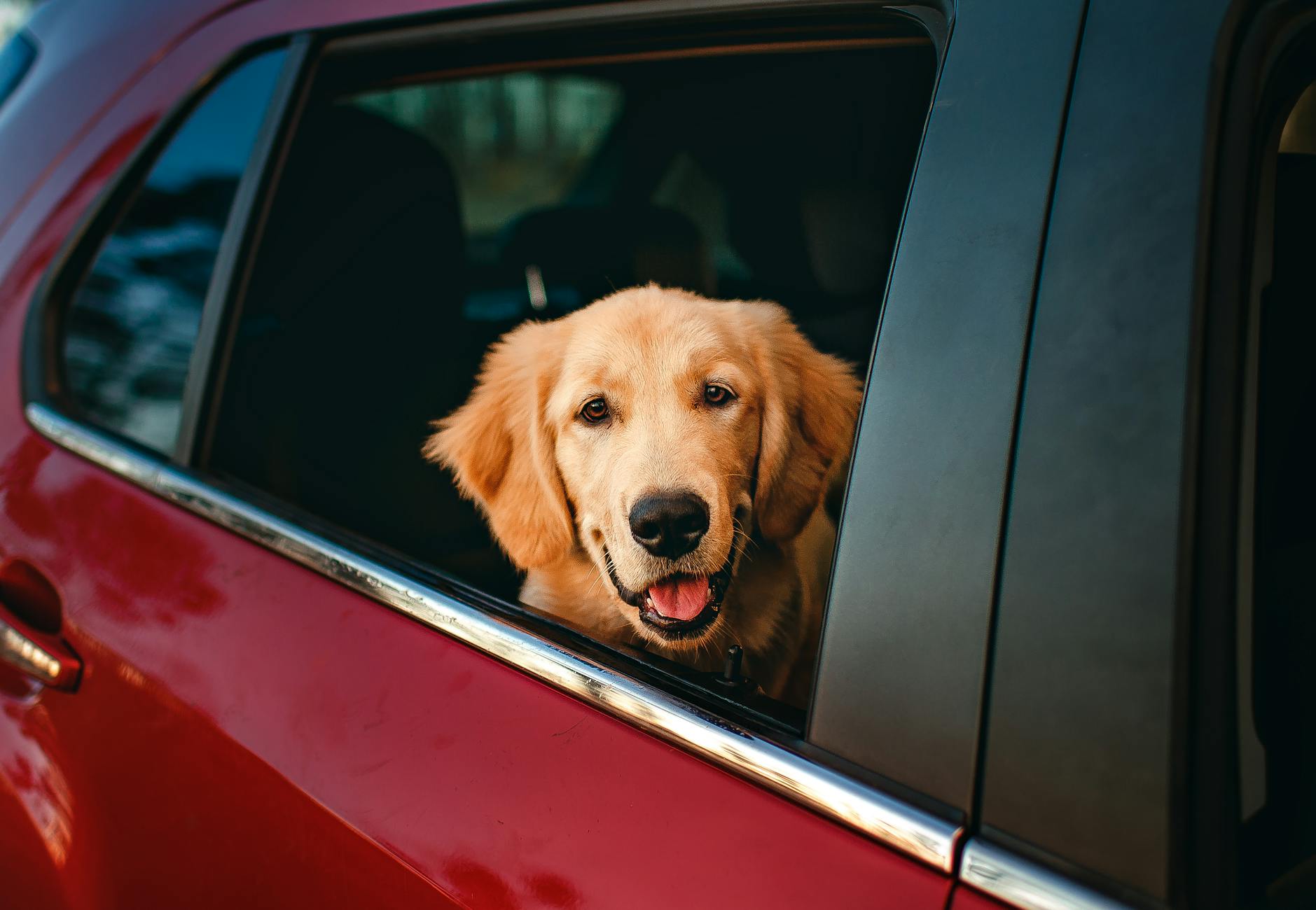
I stopped for gas, and the attendant—always kind and jovial—leaned ever so slightly in through the window with a warm smile.

“Where’s your big dog friend?” he asked, looking toward the back seat as if Judge might be curled up, ready to pop his head up—as was the norm.

I felt the weight of the words before I even spoke. But I said them. The attendant’s face shifted—genuine heartbreak in his expression. He wanted to know what happened to my friend, so I told him.

I thanked him for remembering Judge, for asking, for seeing us. He gave me a fist pump, “I’ll be thinking of you.”

The gas station attendant’s words and supportive fist-pump immediately brought me back to a warm summer evening walk a few seasons ago. An older gentleman on his evening stroll passed us and paused, his eyes soft with admiration. “Magnificent,” he said, nodding. “Simply magnificent.”

At the time, I thought he was talking about Judge, and he was, because Judge was magnificent—“magical,” to quote my son. But today, I wonder if the neighborly observation was referring to us—our bond, our rhythm, the strength in how we moved together, how we communicated.

There was something sacred in my connection with Judge, something that didn’t need to be explained—only admired for the authentic love it displayed. It was beautiful.

Intersectionality of Time and Space

The comment at the gas station isn’t so different from the one that summer day. Both came from strangers who saw something beautiful in our everyday. Both moments remind me that Judge’s legacy isn’t just the love he gave me—it’s the way he made people stop and feel something.

People gravitated toward him. Kids, neighbors, delivery drivers, the mailman who kept treats in his pocket just for Judge—they all felt it.

I’ve come to realize that people didn’t just see a beautiful dog when Judge was around—they felt something in his presence. There was a gentleness about him, a knowing. He carried himself with quiet confidence, never asking for attention but always drawing it.

It wasn’t just that he was loyal or smart or handsome or protective, though he was all of those things. It was the way he made people feel seen, safe, and loved—without needing words. He had that rare gift.

Love Like Judge

You know, whenever I posted a picture of Judge to Instagram, it was usually accompanied by the #mustlovejudge hashtag—a playful twist on the early 2000s rom-com Must Love Dogs. It became my unspoken rule, the standard for who I let into my life, into our life: “Must Love Judge.” If you didn’t get Judge or love him, you probably didn’t get me—or love me—either (not to mention our entire pack). Now, after losing him, I see that phrase a little differently.

It’s not enough to have loved Judge. The real challenge, the real calling, is to love like Judge—offering the same quiet comfort walking with people through joy and sorrow, listening without needing to speak, being loyal, steady, and present.

I once heard that grief is just love that has nowhere to go. I’m not sure I’ll ever be over the loss of Judge—and honestly, I don’t think I want to be. But my everlasting love for Judge does have somewhere to go.

The way forward is to carry what he taught me into every space I enter and meet the world with the same unwavering heart and the same quiet grace. This is Judgie’s Yoda-like life lesson I know he wants me to carry forward, reminding me to hold steadfast to my ability to love unconditionally, to always remember that I am deserving of that same unconditional love from the universe, and to encourage others to do the same.

So I choose love—the kind that asks for nothing but gives everything. The kind that lingers, even after goodbye.

I choose to love like Judge.


I want to take a moment to thank everyone who has been so incredibly supportive and kind throughout Judge’s battle—and through everything since. Your calls, texts, DMs, beautiful flowers, cards, handmade drawings, thoughtful gifts, hugs, and check-ins have lifted us all in ways I can’t fully put into words.

Every gesture, no matter how big or small, has been a testament to the love you had for Judge—and for us.

My wish for you is simple but sincere:

May everyone in this world be lucky enough to experience a love like Judge in their lifetime.

And may we all honor that gift by paying it forward—simply by loving like Judge.

Thank you for standing with my pack. Thank you for loving us through our heartbreaking loss.

We love you,

Jess, Jacob, Daisy, Bravo, & Bud

✌️🫶🐾

The Honorable Judge
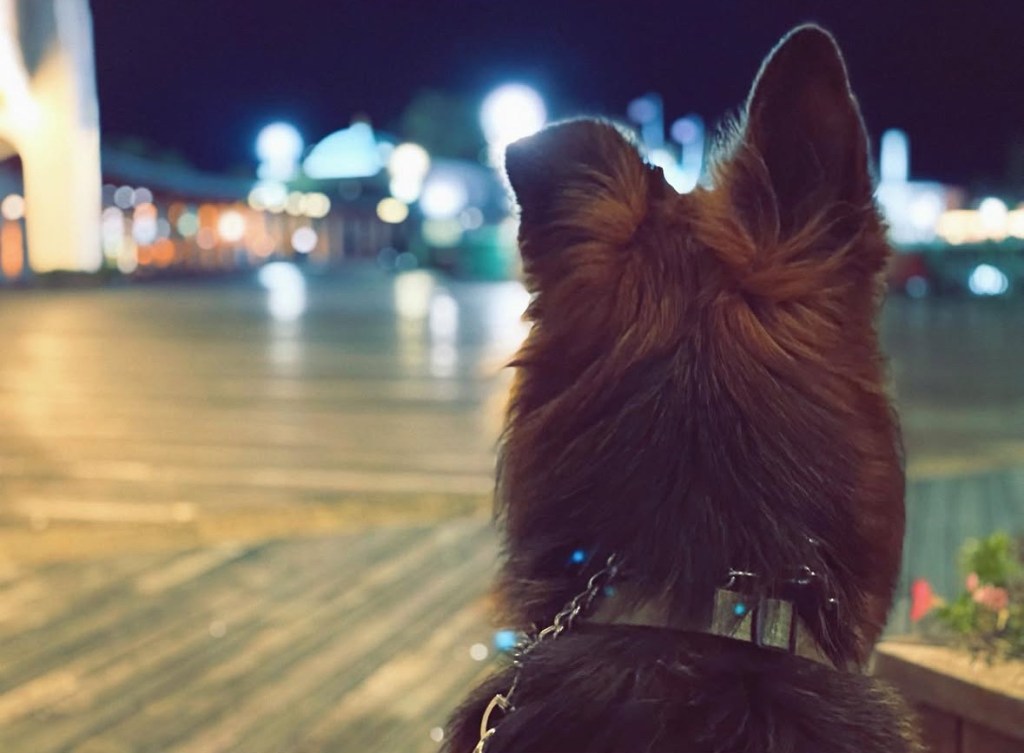
September 10, 2017 – March 25, 2025

Honoring the Legacy: Ensuring Continuity in School Therapy Dog Programs

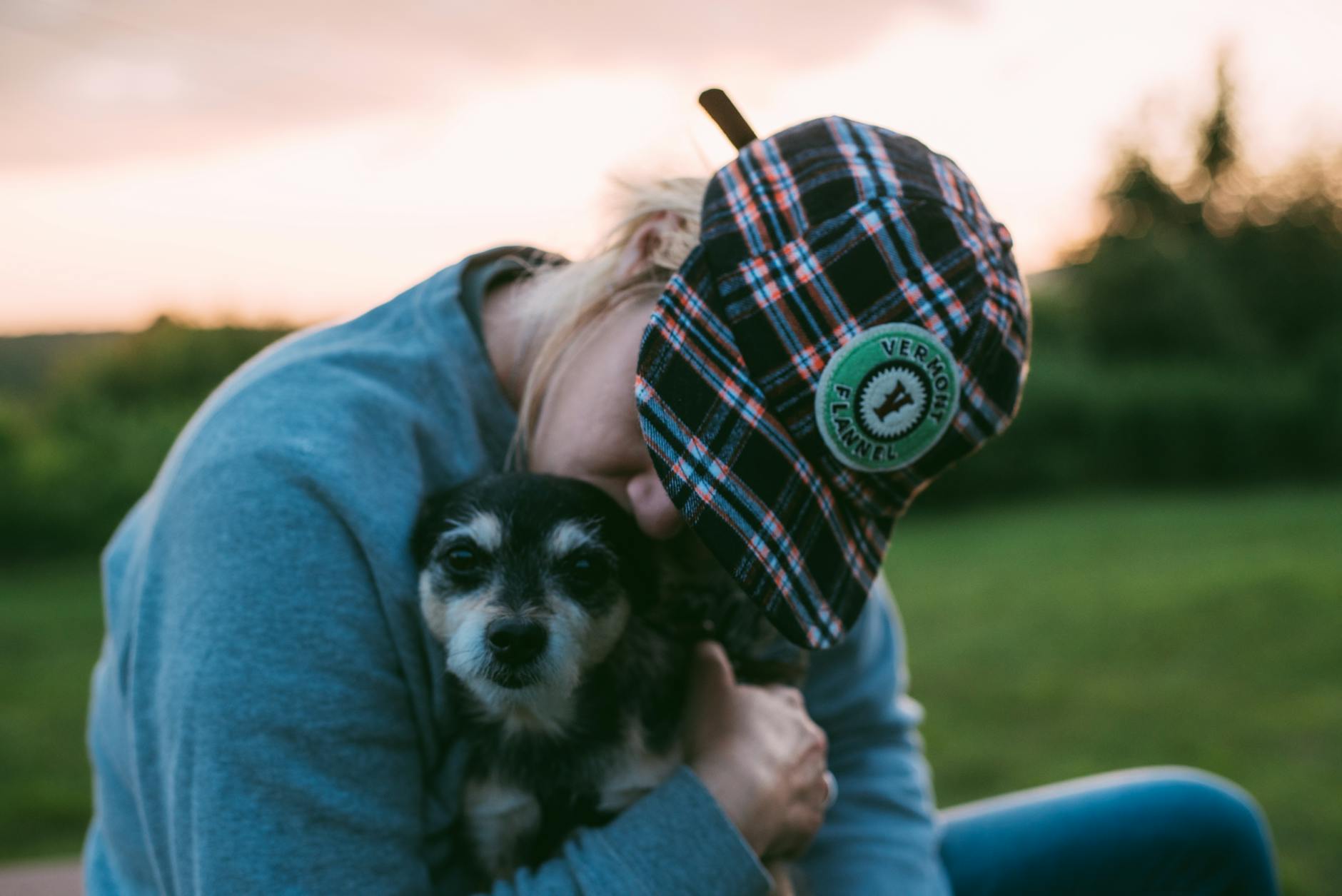
Photo by Laura Stanley on Pexels.com

In a school setting, therapy animals can become cornerstones of the emotional support system for students and the learning community at large (Maricevic, 2022). Whether helping a student cope with anxiety, providing comfort during stressful academic periods, or serving as a calming presence in the classroom, therapy animals form deep therapeutic connections with the people around them in the school setting (Maricevic, 2022).

Sadly, earlier this week, a colleague shared news of the sudden passing of a therapy dog at her child’s middle school. My colleague shared how profoundly this loss impacted her child and the community, as many students relied on the therapy dog for comfort and emotional stability. While shared anecdotally, I learned parents expressed how devastated their children were, followed by their immediate desire to reach out to the school leadership to inquire about ways students would be supported–all highlighting the critical role the therapy dog played in the daily school life.

When a therapy animal becomes unavailable due to illness, retirement, or passing, students who rely on the animal for emotional stability can feel its absence deeply. Younger children, or neurodivergent learners, may struggle to understand why the animal is no longer present, while older students may experience anxiety, loss, or disengagement from the norms established with the help of therapy animals.

To maintain continuity and support for all stakeholders, schools need contingency plans for a therapy animal’s absence (Maricevic, 2022). Preparing students gradually for the possibility that therapy animals may not always be present is crucial, much like teaching resilience in other areas of life. Having other support systems—such as school counselors, peers, substitute therapy interventions, or on-call therapy dog teams—helps to heal the heartache. Schools can also consider honoring the animal upon retirement, or when the time comes to cross “The Rainbow Bridge,” helping students process their emotions.

The Human Factor

The loss of a therapy animal or handler should never be a reason to discontinue a program or cause a school to question its implementation. To say the bond between students and therapy animals are strong would be an understatement, so structured plans must address these inevitable life events. This could involve training a backup handler, having another therapy dog available, or providing grief support for students and the learning community (Maricevic, 2022).

In my research, participants frequently highlighted the need to plan not only for the therapy dog’s absence but also for the handler’s unexpected departure from their role (Maricevic, 2022). Participants emphasized the importance of protocols for the long-term sustainability of therapy dog programs and the consequences of not having a plan in place for this very scenario where either the dog or handler might be unavailable due to illness, injury, or unforeseen circumstances (Maricevic, 2022).

Of course, addressing the human side of the therapy dog team is important; handlers are often the bridge between the animal and the students, and their presence is crucial to the program’s success (Maricevic, 2022). Schools must be prepared to transition the handler’s role smoothly to maintain the relationships fostered through the therapy animal, while also understanding the possibility that, if a handler is no longer able to be part of the team, it may impact whether the therapy dog can continue in the learning community (Maricevic, 2022).

Such a scenario emerged in my research: after the sudden passing of a beloved teacher who was also the owner and handler of the school’s therapy dog, the family chose not to continue bringing the dog to school (Maricevic, 2022). It was a “big ask” on the part of the school to inquire if the family would be willing to still bring the dog to school to continue its positive impact, even after the loss of their matriarch (Maricevic, 2022). After careful consideration, the family couldn’t emotionally commit to such a responsibility, nor did they want to have someone else take responsibility for their dog’s daily care and well-being, (Maricevic, 2022). Understandable. Not to mention, such a shift might have been traumatic for the dog, who could’ve struggled to adapt to a new handler under such a stressful time, unless they were trained to interact with multiple people during the school day (Maricevic, 2022). 

Planning ahead ensures that therapy dogs and handlers remain integral parts of the school community (Maricevic, 2022). By developing clear protocols, schools can ensure that these essential relationships continue to thrive, even through transitions or losses (Maricevic, 2022).

Honor the Impact, Carry On the Mission

No one likes to consider the possibility of a therapy animal abruptly leaving a school or a handler becoming unavailable, but it’s important to emphasize that, in such situations, the solution isn’t about “replacing” a cherished member of the therapy team, regardless of the reason for their departure. Therapy animal teams are irreplaceable and beloved parts of the school, and their contributions are deeply felt by students and staff alike. However, for the greater good of the learning community and the long-term sustainability of the program, planning for these realities is “a must.”

By shifting the policy focus from preparing for an untimely event to policy language centered around ensuring the next team carries on the therapy animal program in honor of their years of service, schools can ensure that transitions are respectful and positive. Such a perspective remains true to following in the therapy dog’s paw prints, continuing the meaningful work they began, and preserving their spirit in every comforting moment shared with students. Decide on an empathic approach to honor the legacy of the therapy team while allowing the program to continue providing the emotional support the learning community needs. By being proactive, schools can safeguard the stability and warmth of animal assisted therapy interventions, ensuring they remain a source of comfort, even through the most challenging transitions.

Restoring Comfort: Advocating for the Return of a Therapy Dog Program

Photo by Helena Lopes on Pexels.com

Just the other day, I received a message from an educator in a current leadership position. In the message, the school leader expressed frustration and confusion over the abrupt discontinuation of a beloved therapy dog program at their school. This decision, a result from a change in district regulations, now prohibits employees from bringing therapy dogs into the school, and many in the learning community are disheartened. It is the educator’s belief that the therapy dog program was a vital source of comfort and emotional support, fostered positive connections and contributed to a supportive school culture for the faculty, staff and student body as a whole.

Which is why I was then brought to wonder about the original policy language prior to the regulatory change for the 2024-2025 school year and why such a change would occur: What explicit language existed in district’ policy regarding therapy dogs before this decision? Was there any formal language at all? Could it be that the therapy dog program was running under an unspoken understanding rather than an official framework?

Policy isn’t necessarily a “bad thing,” for without formal guidelines, such programs can easily grow unchecked, potentially leading to conflicts—especially if there was an increase in the number of dogs coming to school, concerns about certification, or misunderstandings about what constitutes a legitimate therapy dog. The absence of a clear policy on therapy dogs may have allowed the program to grow naturally. However, this lack of structure could have led to unforeseen issues, ultimately contributing to the decision to end the program.

Having said that, while the regulatory change in the educator’s school poses a significant challenge, it doesn’t have to mean the end of the therapy dog program altogether. In the absence of a clear explanation, it’s essential to propose thoughtful solutions to address the concerns of stakeholders while advocating for the reinstatement of the therapy dog program. Below, I outline several considerations for the educator—and others impacted by similar policy shifts—to navigate the current situation with the hopes of reinstating a revised therapy dog program to meet the needs of all stakeholders.

The Role of Unspoken Understandings

When therapy dog programs aren’t codified into official district policy, they may rely on informal arrangements or personal agreements (Maricevic, 2022). In some cases, administrators may allow other school leaders, teachers or staff to bring certified therapy dogs without objection, trusting the intentions of the program (Maricevic, 2022). But without written guidelines, inconsistencies and confusion can arise, which may have contributed to the recent decision to prohibit therapy dogs altogether for the school leader. 

Now, if there were concerns about the number of dogs on campus, questions about certifications, or uncertainty around how to manage liability, any one of these issues—or all of them—could have prompted the district to take a blanket approach and halt the program. In either scenario, the issue comes back to the need for clear policy to ensure the viability of any programmatic addition, with the goal of sustaining a long-term impact on the learning community—especially if that program includes therapy dogs (Maricevic, 2022).

Schools with transparent policies, can foster a supportive environment where therapy dogs, or any programmatic enhancements to the wellness and learning of students, can thrive as valuable resources, ensuring that their benefits are accessible to all students and staff while minimizing potential conflicts or concerns. Without clear, formal guidelines, programs can become vulnerable to misunderstandings and inconsistencies that ultimately jeopardize their effectiveness and long term sustainability within the organization (Maricevic, 2022).

Establishing a comprehensive policy framework would not only provide a solid foundation for the program but also clarify roles, responsibilities, and expectations for all parties involved (Maricevic, 2022). Ultimately, a well-defined policy will help safeguard the educator’s therapy dog program’s integrity and reinforce its positive impact on the school community (Maricevic, 2022). 

Certification Confusion: Therapy Dogs vs. Emotional Support Dogs

Another layer of complexity is the widespread misunderstanding between therapy dogs and emotional support animals (ESAs), particularly when it comes to certification. This confusion can create legal and logistical issues, making it difficult to establish a program that complies with district policies.

First and foremost, it’s important to clarify that there is no formal “certification” for emotional support dogs. ESAs are animals that provide comfort and emotional support to individuals with mental health challenges, but they are not trained to perform specific tasks like service dogs. There’s no official certification for ESAs, and they do not have the same legal rights as service animals.

On the other hand, therapy dogs are specifically trained and certified to provide comfort in settings like schools, hospitals, and nursing homes (Maricevic, 2022). These animals are often part of structured programs, with certification from reputable organizations like Alliance of Therapy Dogs, Pet Partners, and The Good Dog Foundation.

The Problem with Therapy Dog Certifications

Unfortunately, not all organizations that claim to certify therapy dogs are legitimate. Some companies exploit loopholes, offering quick and easy certifications bypassing the necessary training or certification assessment. Such unethical practices can undermine the credibility of therapy dog programs and cause confusion in school districts trying to maintain appropriate standards.

In the case of this educator’s dilemma, if the district encountered concerns about the legitimacy of the certifications held by therapy dogs on campus,such a concern could have triggered the decision to halt the existing therapy dog program. Without clear guidelines or a trusted certification process in place, district leadership may have felt the risks—whether related to liability, safety, or standards—outweighed the benefits. To ensure the program’s legitimacy and effectiveness, schools must establish clear guidelines that require certification only from trusted, reputable organizations, like those presented above (Maricevic, 2022).

Moving Forward: Addressing Policy Gaps and Certification Concerns

To advocate for the reinstatement of the therapy dog program, the educator must first address these potential gaps. Maybe start a conversation with key stakeholders, follow the dialogue with a collaborative review of the district’s policy language (or lack thereof) and discuss additional language to formalize clear guidelines around the use of therapy dogs in schools. Here’s how this educator can approach the current situation:

  1. Review the Old Policy (or Unspoken Understanding): If the program previously operated without formal policy, it’s time to work with district leadership to establish clear guidelines. This would ensure that any future therapy dog program operates within a well-defined framework, preventing misunderstandings or unchecked growth (Maricevic, 2022).
  2. Ensure Proper Certification: Address concerns about certifications by only working with well-established, reputable organizations that train and certify therapy dogs according to recognized standards (Maricevic, 2022). Research and recommend organizations that adhere to the highest levels of training, evaluation, and insurance, helping the district feel more confident in the legitimacy of the program (Maricevic, 2022).
  3. Clarify the Difference Between Therapy Dogs and ESAs: Educate both staff and district leadership on the key distinctions between therapy dogs and emotional support animals. Emphasize that while ESAs provide comfort, they are not part of structured therapy programs, nor do they have certification or training requirements. Therapy dogs, on the other hand, must undergo rigorous training and certification to operate in school settings (Maricevic, 2022).
  4. Propose a Pilot Program with Clear Oversight: If the primary concerns are related to certification and management, propose reinstating the program as a small pilot with stringent guidelines. Start by bringing in one or two certified therapy dogs through reputable organizations during designated times throughout the school year (i.e. Wellness Day, midterms, finals, etc) with clear oversight and documentation. This approach may help ease district concerns while demonstrating the value of the therapy dog in the high school setting.

Bridge the Gap Between Intention and Implementation

The abrupt end of this educator’s therapy dog program highlights the importance of having clear, well-structured policies in place for any school or district initiative’s longterm sustainability. Without them, even well-intentioned programs can become vulnerable to mismanagement, confusion, and abrupt decisions like the one that occurred in this example. By examining the district’s language around therapy dogs, clearing up misunderstandings around certification, and other inconsistencies within the established protocol, this educator, and others who might find themselves in a similar scenario, can build a stronger case for reinstating the program in a way that benefits everyone—students, staff, and dogs alike.

Never Gonna Give You Up: What Dogs and Rick Astley Teach Us About Loyalty and Human Connection

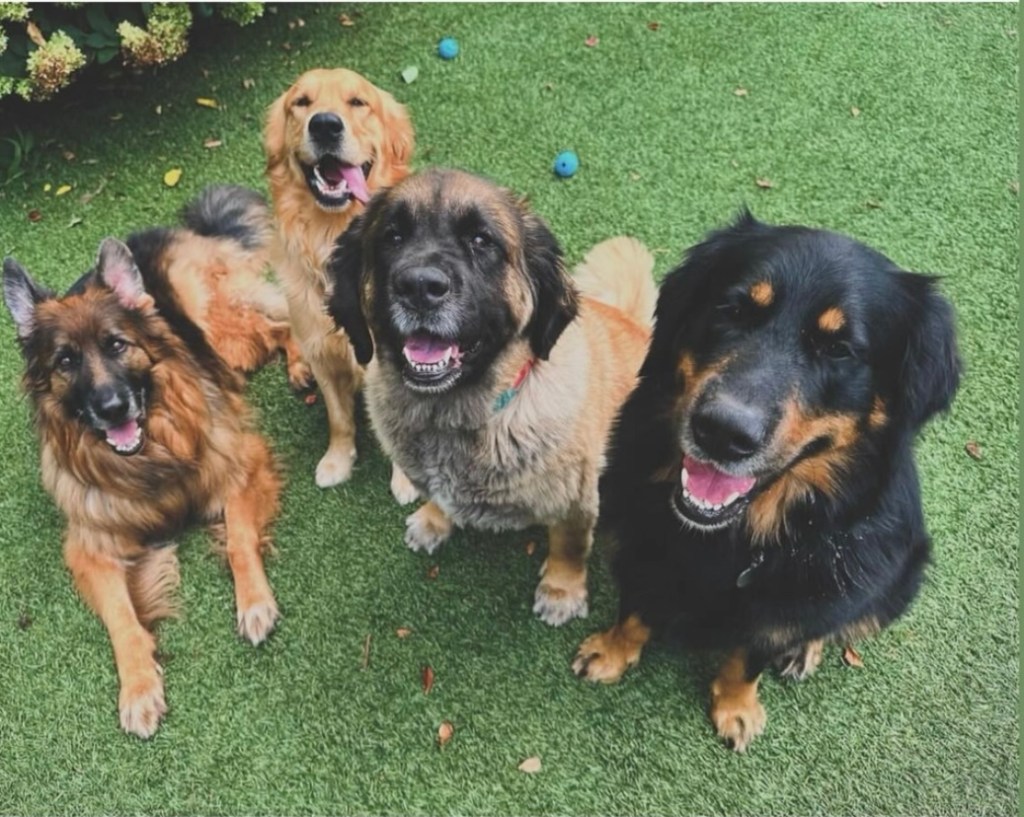
Judge, Bud, Daisy, & Bravo | National Dog Day • August 26th, 2024

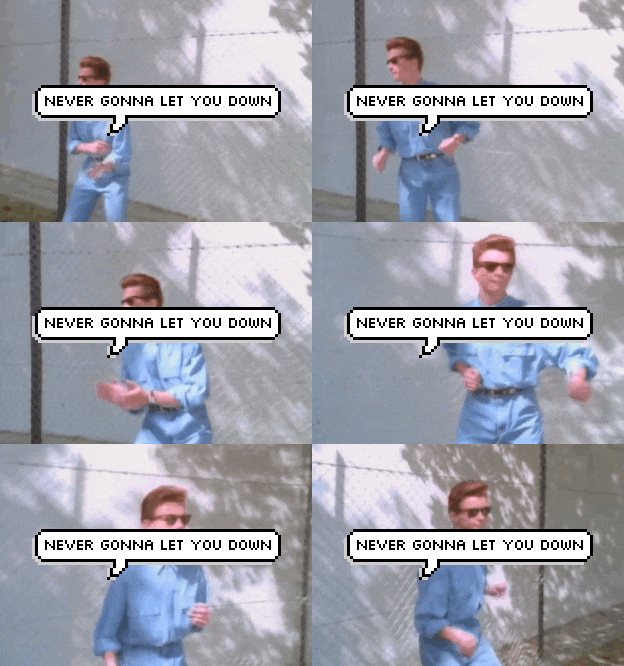
Loyalty is a rare and invaluable trait—a kind of dedication we often seek in our human relationships but one that is lived out daily by our four-legged companions. When I captured the above smiling faces of Judge, Daisy, Bravo, and Bud, they immediately offered a powerful reminder of what true loyalty looks like and what we, as humans, can learn from our furry friends. It was in that moment that Rick Astley’s iconic song Never Gonna Give You Up began playing in my mind, its lyrics perfectly mirroring my pack’s unwavering commitment—a promise to never let me or our family down.

Dogs and the Art of Commitment

Astley’s song became an anthem of 1980s pop music not only for its catchy beat but also because it speaks to a timeless truth: genuine loyalty doesn’t falter. It’s safe to say dogs understand this truth instinctively because they:

  • Aren’t driven by obligation or social expectation; they are loyal because they choose to be.
  • Show up every day, no matter what.
  • Greet you at the door, excited to see you, even if you’ve had a bad day.
  • Remain unwavering in their loyalty.

For dogs, there are no conditions to which their commitment is contingent—it’s a steadfast bond rooted in love and trust that remains unshakeable, no matter the circumstances. In contrast, human relationships often hinge on conditions. Friendships, partnerships, and even family bonds can strain when circumstances change. But a dog’s commitment doesn’t work that way; they remain present. Just as Astley promises, “Never gonna let you down,” dogs demonstrate a loyalty that doesn’t just weather storms—they stare down the turbulence, remaining steadfast by your side.

Learning from a Dog’s Loyalty: What If?

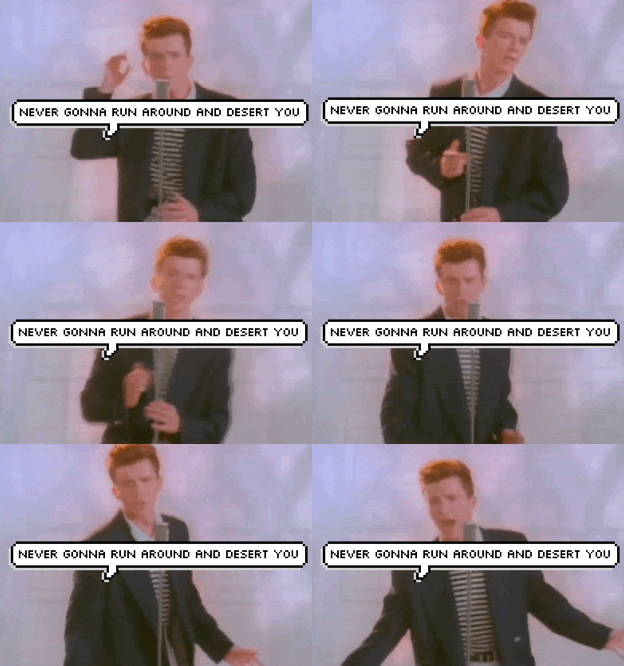
Too often, human relationships falter because we set conditions for our loyalty. We withdraw when things get hard or when someone doesn’t meet our expectations. Dogs, on the other hand, don’t play by those rules. They are all in, every day, whether it’s a good one or not. Dogs live by example, and their example is a lesson in showing up, even when life isn’t perfect—especially when it isn’t. Take Astley’s line, “Never gonna run around and desert you.” Those words aren’t just a promise; they’re a commitment to show up, regardless of the challenges.

What if we approached our human relationships with the same kind of loyalty that dogs demonstrate on our best days, worst days, and every day in between? If we were as consistent in our support, our affection, and our willingness to be there for each other, we could deepen those connections. Dogs don’t wait for the perfect moment to offer love—they do it without hesitation, so why can’t we?

The Power of Consistency

Consistency is another hallmark of a dog’s loyalty. Dogs don’t just offer love in the big moments; they show love in the everyday, in the simple moments of routine, and they love hard. Whether it’s sitting by your feet as you work away at the computer (like Judge is doing right at this very moment as I type) or greeting you with excitement every morning like clockwork (cough, cough—BUD), their presence is constant, genuine, and motivated by love.

In Astley’s song, the repeated refrain drives home the importance of consistency: “Never gonna give you up, never gonna let you down.” These aren’t just words; they represent a commitment to consistency, much like the loyalty dogs provide us every day. It’s in that consistency that trust and depth in relationships grow. Dogs are there for you, even when you may not feel like you deserve such unconditional love—but believe me, you do. The human-animal relationship, along with Astley’s lyrics, provides a humbling lesson: to offer loyalty and love consistently—not just when it’s easy or convenient—and to recognize that you deserve such unconditional treatment, whether it comes from a dog or another human.

Dogs Don’t Give Up—Neither Should We

When I look at this image, or any image, of Judge, Daisy, Bravo, and Bud, I see such happy dogs and a powerful reflection of loyalty in action. Dogs live out the core message of Never Gonna Give You Up without even trying, teaching us that loyalty isn’t just about grand gestures; it’s about being present through the everyday ups and downs.

You see, dogs don’t give up on their people, no matter what. It’s often the people who give up on dogs and on each other, and it’s time for that to change. This is why humans have much to learn from our canine companions. We could:

  • Strengthen our relationships—whether romantic, familial, or platonic—by showing the same level of devotion.
  • Stay the course—just as dogs do, day after day, with nothing more than a wagging tail and the quiet assurance that they will always be there.

So, the next time you listen to Rick Astley’s Never Gonna Give You Up, think beyond the music. Then, reflect on the lessons from those unconventional teachers—dogs—and the invaluable lessons they teach us every day about loyalty. It’s a reminder to show up, stay consistent, and offer our support and love, unconditionally.

Just like Judge, Daisy, Bravo, and Bud, we all have the capacity to live out that promise, and if this motley crew can do it, so can you. There’s no better time than the present to simply follow their lead.

Embracing Unconditional Love: Lessons from Our Dogs

Photo by Laura Stanley on Pexels.com

Earlier today, I stumbled upon an Instagram post from @moderndogco that read, “Imagine if we loved each other the way our dogs love us.” Of course this post immediately struck a chord with me, as it undoubtedly has with many others. “Imagine if we loved each other the way our dogs love us” is a sentiment that, on the surface, seems straightforward, but carries with it a deep and transformative message about love, compassion, and humanity.


The Unconditional Love of Dogs

Dogs are often described as a person’s best friend, and for good reason. A dog’s love is pure, unconditional, and unwavering. Whether the human in a dog’s life had a bad day, made mistakes, or are feeling down, it is always the dog there to offer a wagging tail, the dog who is willing to do anything to elicit a smile from their person. A dog’s love doesn’t depend on their human’s actions, socio-economic status, or fluctuating moods. A dog’s love is an inherent part of who they are.

The Underlying Message

“Imagine if we loved each other the way our dogs love us,” invites us to imagine a world where we love each other with the same boundless generosity that our dogs demonstrate on-the-daily. You see, love is about embracing each other’s imperfections and offering support and kindness, no matter the circumstances. In essence, “Imagine if we loved each other the way our dogs love us,” is a call to elevate our capacity for empathy and understanding in our daily interactions, to love without conditions, judgments, or expectations.

Our Responsibility as Readers

“Imagine if we loved each other the way our dogs love us,” are more than just words to inspire a fleeting moment of inspiration; it’s a call to action. Here are 5 possible ways to bring these simple words to fruition in an impactful way:

  • Practice Empathy: Strive to understand others’ perspectives and feelings. Just as dogs sense our emotions and offer comfort, we can be more attuned to the needs and emotions of those around us.
  • Forgive Freely: Dogs don’t hold grudges. They forgive quickly and move on. Let’s adopt this attitude by letting go of past grievances and focusing on building positive relationships.
  • Show Consistent Kindness: Small acts of kindness can make a significant impact. Whether it’s a smile, a kind word, or a helping hand, these gestures can brighten someone’s day and create a ripple effect of goodwill.
  • Be Present: Dogs are masters of living in the moment. They don’t dwell on the past or worry about the future. By being present, we can fully engage with those around us and appreciate the beauty of each moment.
  • Love Unconditionally: This is perhaps the most challenging, yet most rewarding aspect. Unconditional love means accepting others as they are, flaws and all. It means offering love without expecting anything in return.

The Transformative Power of Love

Imagine the profound impact on our communities, workplaces, and families if we all loved a little more like our dogs love their humans. Relationships would be stronger, conflicts fewer, and the world a kinder place. Each of us has the power to contribute to this vision by embracing these principles in our daily lives.

“Imagine if we loved each other the way our dogs love us,” serves as a gentle yet powerful reminder of the transformative power of love. By taking this message to heart and integrating its essence into our lives, we can create a more compassionate and connected world.

Shoulda. Woulda. Coulda.

My original creation; a digital design to welcome Instagram viewers to visit this blog post. My inspiration for this graphic stems from my love of the ocean, Montauk, and of course, dogs | J. Maricevic, 2023.

I recently read a funny meme. It was something along the lines of, “there are some people who should never have met my dog.” That might even be the exact wording, but I’m not quite sure.

I thought it was a funny post. I even considered reposting it. I thought about being cute and crossing out “dog” and replacing it with “dogs” (because I have four), or changing it to something like, “there are just some people who will never meet my dog, or dogs,” or maybe even, “there are just some people who will never meet my dog, or dogs, again,” because, well…

Listen, I know there are some people who simply do not deserve to be around any living creature due to their decision to treat an innocent being inhumanely. Let me be very clear on that point. Any unkind or abusive treatment is an obvious red flag, a scarlet letter forever emblazoned on a person’s chest, and that’s right, that person will never, ever be around your dogs, or my dogs, nor should they be around any other dogs or innocent beings.

So yes, there is at least one possible exception to the should never meet my dogs scenario. But was the concept behind the post, while produced in jest, further perpetuating negative thinking, energy and creating disharmony?

And then I got to thinking…

Why would there even be a person, or people, in an individual’s life who should never have met a person’s dog, or dogs, or never have the chance to meet a person’s dog in the future, or never have the opportunity to see them again? Yup, that’s a rhetorical question. You and I both have our own answers to our whys.

In normal Jess-fashion, I contemplated, reflected, and personalized the thought to better empathize with a person who holds such strong sentiments, and even take a moment to better empathize with myself.

I reverted back to when I was able to tangibly embrace my passion (that’s 4 years old). Talk about a lot of years, and a lot of memories, and a lot of “stuff” to sift through. Memories, moments, and faces– the flickers of my mental time capsule, going at Mach speed.  And with each face, memory, and moment, there were a few, not many, which did include people who, for all intents and purposes, were/are tied up in that silly little meme I referenced at the beginning of my post.

[Enter Thinking]

Ironically enough, the people who, in theory, should never have met my dogs, are the very people who, at the time, probably needed to meet my dogs the most. There are probably people I have yet to meet, who need to meet my dogs. There might even be people who have met my dogs, who really do need to meet them again. I am not quite sure how I feel about coming to such a realization. We fear the unknown right? Or is it that we fear the known?

My original creation; a mock-meme which I like to call, Probably the Ones who Needed to Meet them the Most. This image appears in my most recent instagram post | J. Maricevic, 2023.

A Transformative Impression

Dogs have a unique way of touching lives and teaching valuable lessons through their ability to bring joy, companionship, and help others become more patient, empathic, and responsible (Maricevic, 2022). Meeting another person’s dog can be a transformative experience for some individuals, even if they have had limited exposure to dogs or pets in general. It’s also possible that emotional competency development can happen without directly interacting with a person’s dog (Maricevic, 2022). It can also happen for a person who observes others interact with their furry family member.

Yes, that means when one person is able to witness (1) how another interacts with a dog, (2) how one person can love another being other than themselves or (3) a demonstration of reciprocal and unconditional love in return, those observations alone have the potential to leave a positive impression on a person’s psyche (Maricevic, 2022). Not just any impression, a transformative impression; an impression for the better.

Interacting either directly or indirectly with a dog can model what it looks and feels like to give and receive unconditional love, how to develop trust, embrace responsibilities, and the importance of living in the present moment (Maricevic, 2022). Such observations can also provide an opportunity for empathic growth, as others learn to understand the needs and behaviors of the do, in turn strengthens a person’s ability to develop and form bonds over time with humans and dogs (Maricevic, 2022).

Let’s not forget, dogs are known to have a positive impact on mental health, reducing stress and anxiety. For people who may be struggling emotionally or socially, a dog could provide a source of comfort, support, and a means for connecting with others during moments when feeling isolated, or even ostracized from the world. Dogs serve as a bridge for connectivity, helping to establish, solidify, and even mend relationships.

Got Hope?

At first thought, there might be people who come to mind who should never have met a person’s dog, or never will get the chance to meet a person’s dog, or those who will never have the chance to meet a person’s dog again. Now, minus the aforementioned exception, I challenge that initial thinking. In fact, I propose those should never or will never statements, shift to maybe one day statements.

If one is to change from a never mindset, to a maybe mindset, does that potentiality provide more space for positive thoughts, and less negativity? Does a change from a never mindset, to a maybe mindset create a space for an unexpected connection, a misunderstanding understood, a missed connection redirected, or serendipitous happenstance?

Admittedly, a change in mindset may never bring a moment to reality, and even if it does present itself, the moment might be fleeting or the opportunity anticlimactic. Those maybes may never happen at all. Even so, if there exists an opportunity for personal growth and positive experiences, and that opportunity starts within the individual themselves through self-empowerment and self-actualization, and there is no harm being done to oneself physically or emotionally, no harm being done to another person physically or emotionally, and no harm done to any person’s dog or dogs, then perhaps it’s worthwhile in the long run?

Perhaps, at least start with a shift in mindset. Perhaps be open to the maybe?

Maybe, one day [fill in the blank}.

Easier said than done, you say?

Maybe.

But I figure, on this rainy summer’s day, it’s worth a try. Chalk it up to needing some Vitamin D, being over all this rain, or an exercise in strength conditioning…. ’tis the season to bulk up the mental and emotional fortitude needed for the time when the radiant rays of sunshine give way to crisp fall days.

No shouldas, wouldas, couldas.

I got hope.

I’m going to give it a try.